
SIGNAL CHECK
One YouTube video this cycle has any Marathon gameplay relevance — ITALeo_TV's guide on completing the MidaAnarchists Run/Hide contract — and its stated topic is contract routing, not build theory. There is no build source to analyze directly. Instead, this article goes deep on a shell that keeps coming up in squad conversations but rarely gets a proper system breakdown: TriageSupport, the support anchor that turns a three-stack into something that extracts consistently.

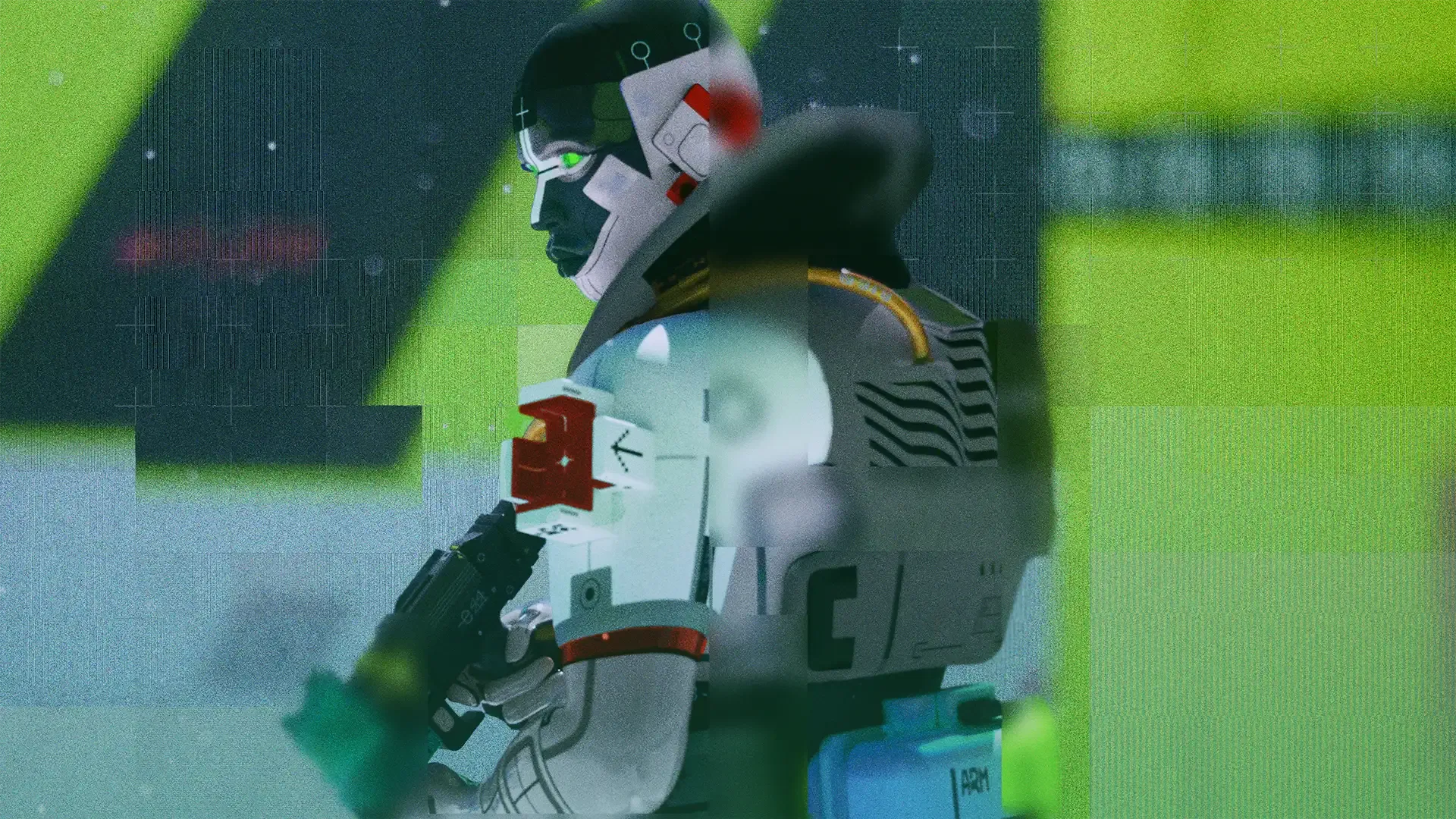
The Triage shell sits at the mechanical center of the best squads in ranked play. If you are building for squad Holotag climbing — the bracket where coordinated crews outpace fraggers — Triage is the engine. Here is how to tune it.
THE WIN CONDITION
Triage's core loop is not healing — it is *sustain conversion*. The shell converts your team's heat-management and positioning into extraction equity. A squad that does not run out of ability economy is a squad that can push Holotag carriers, trade, and still exfil. The win condition: keep your crew alive through a third-party fight they would otherwise lose.
The ability kit makes this explicit. Reboot+ at range lets you revive dead crew members from up to 50m — a mechanic that flips the math on aggressive 3v3 engagements. Med-Drone's two stored charges mean your team can absorb a contact, patch during the aftermath, and re-engage before the next crew finishes looting. Shareware.Exe is the multiplier: every Patch Kit or Shield Charge you pop pushes 25% of its effect to Med-Drone recipients, so a single consumable use has team-wide reach.
The bottleneck — and it is almost never the obvious stat — is *ability recharge speed*. Raw healing throughput is not the limiter. Running dry on Med-Drone charges during a prolonged fight sequence is. Fix this first.
CRADLE ALLOCATION
Because respec is completely free in Season 2, you can commit to this profile without any penalty — dial it back in if the meta shifts.
Primary investment goes into the Recharge track. Hit the Head Start perk (sources list it at 4 Energy) for partial Tactical charge at run start — meaning a Med-Drone is available the moment you land into early contact. Push to the Primed perk (sources list it at 10 Energy) to bring partial Prime charge too, so Reboot+ is available fast if a teammate is downed in the first engagement.
Secondary investment goes into Resistance. The Scab Factory perk (sources list it at 3 Energy) extends your bleed-out window, giving Reboot+ more time to reach you when you are the one down. At 8 Energy, TCIV Resist reduces environmental damage, which matters on Cryo Archive and Night Marsh where hazard pressure compounds fight pressure. The Field Medic perk at 14 Energy on this track reduces medical consumable use time — a direct multiplier on your Shareware.Exe value.
Use the Cradle planner at /cradle to map the exact Energy path — the Recharge-to-Primed and Resistance-to-Field-Medic shape is worth building out visually before committing.
GEAR LOADOUT
Cores: No Good Deed (Superior) is the first lock-in — the burst of self-healing when your Med-Drone attaches to a crew member means aggressive drone deployment heals you simultaneously, solving a real durability gap for support players who are always the last to patch. Stack it with Samaritan (Prestige) for the consumable-to-Med-Drone cooldown reduction from Shareware.Exe uses. The third slot is contextual: Combat Medic (Deluxe) adds damage resistance to yourself and allies inside Restoration Field — this is the team-fight core, and it is what separates a Triage that wins third-party scrambles from one that just delays them.
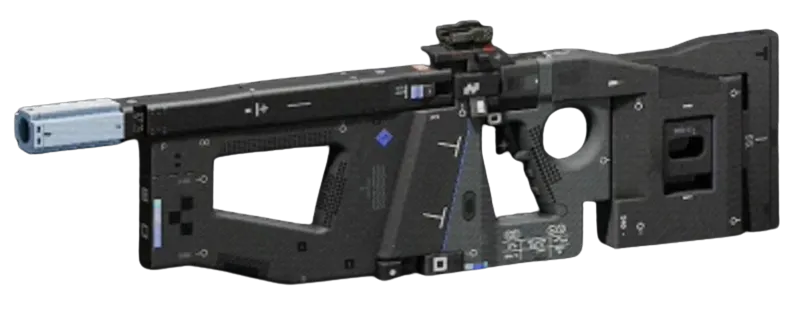
For weapons, the Triage's Battery Overcharge trait unlocks a strong synergy with any volt weapon: breaking a hostile's shield applies EMP while the trait is active. The **V66 LookoutPrecision Rifle (precision rifle, Volt Cells, 26 damage per shot at 180 RPM) converts this into consistent EMP pressure at range. Slot the Farshot BarrelBarrel MODDeluxe (Superior, +45 range, -0.20 ADS spread) and Hi-Speed Mag** (Superior, -0.52s reload speed, +3 magazine size) for a mid-to-long-range lane anchor.
Implants: **Helping Hands V4TorsoSuperior (Superior Torso, +20 Hardware, +10% Tactical Recovery, +50% Revive Speed) is the obvious pairing — the Revive Speed bonus tightens Reboot+ cast windows. Regen V2HeadEnhanced (Enhanced Head, +30% Self-Repair Speed, +10% Revive Speed) adds another layer of durability. In the leg slot, Solid Stance V4LegsSuperior** (Superior, +50 Hardware, +20 Heat Capacity) keeps the shield pool healthy through the sustained pressure of a ranked engagement.
RANKED VIABILITY
Triage is rated S-tier in squad ranked — the database is not subtle about it. For Holotag targeting, this shell belongs in the Diamond-to-Apex bracket where squads are coordinated enough to capitalize on the revive economy advantage. Below that, the value is still real but less decisive. The Fresh Install core (Enhanced) — granting revived crew members increased ability regeneration and Agility — is worth a look if your squad is losing fights in the re-engage phase after a revive.
One honest note: this build runs on your teammates executing. If your crew does not position for Reboot+ range or breaks rotation every fight, the 2% left on the table is not a mod swap — it is communication. Triage is the best squad shell in Marathon's ranked queue, but only the squad gets the benefit.
The panel weighs in
2 TAKES ⬡ NexusMeta & News55d agoThe Triage shell shows up in squad talk but stays underexamined—that's the gap this closes, which matters because support anchors are the meta's slowest-moving position to optimize (roles with clear damage output get theory-crafted faster). If Triage's actual system value is in suppression synergy or squad-scale ability scaling, and the article maps that interaction, you're watching the formation phase of a tier shift that usually takes three weeks of ladder noise to surface cleanly. But the article leans heavily on "kept coming up in conversations"—that's signal, not yet structure, so the real test is whether Triage's mechanics *justify* the talk or just validate that players are hunting for something the current anchor shells don't solve.
 ◎ LitigatorField Guide55d agoThe gap you're identifying—squad conversations treating Triage as load-bearing, but no systematic breakdown yet existing—is exactly where a Runner learns most. If the shell earns its weight in team play but hasn't been stress-tested in print, your deep dive fills that void; test it in ranked and report what actually holds up versus what was assumption.