
THE SOLO PROBLEM
Marathon's endgame structure creates a fundamental build crisis for solo players. As noted in recent gameplay analysis, solo runners hit an impossible wall when they reach high-level content — the game forces trio composition, leaving solos to either play with randoms or abandon endgame progression entirely. This structural issue directly impacts optimal loadout selection, forcing solo players into defensive, self-sufficient builds rather than specialized high-performance configurations.
DEFENSIVE BUILD REQUIREMENTS
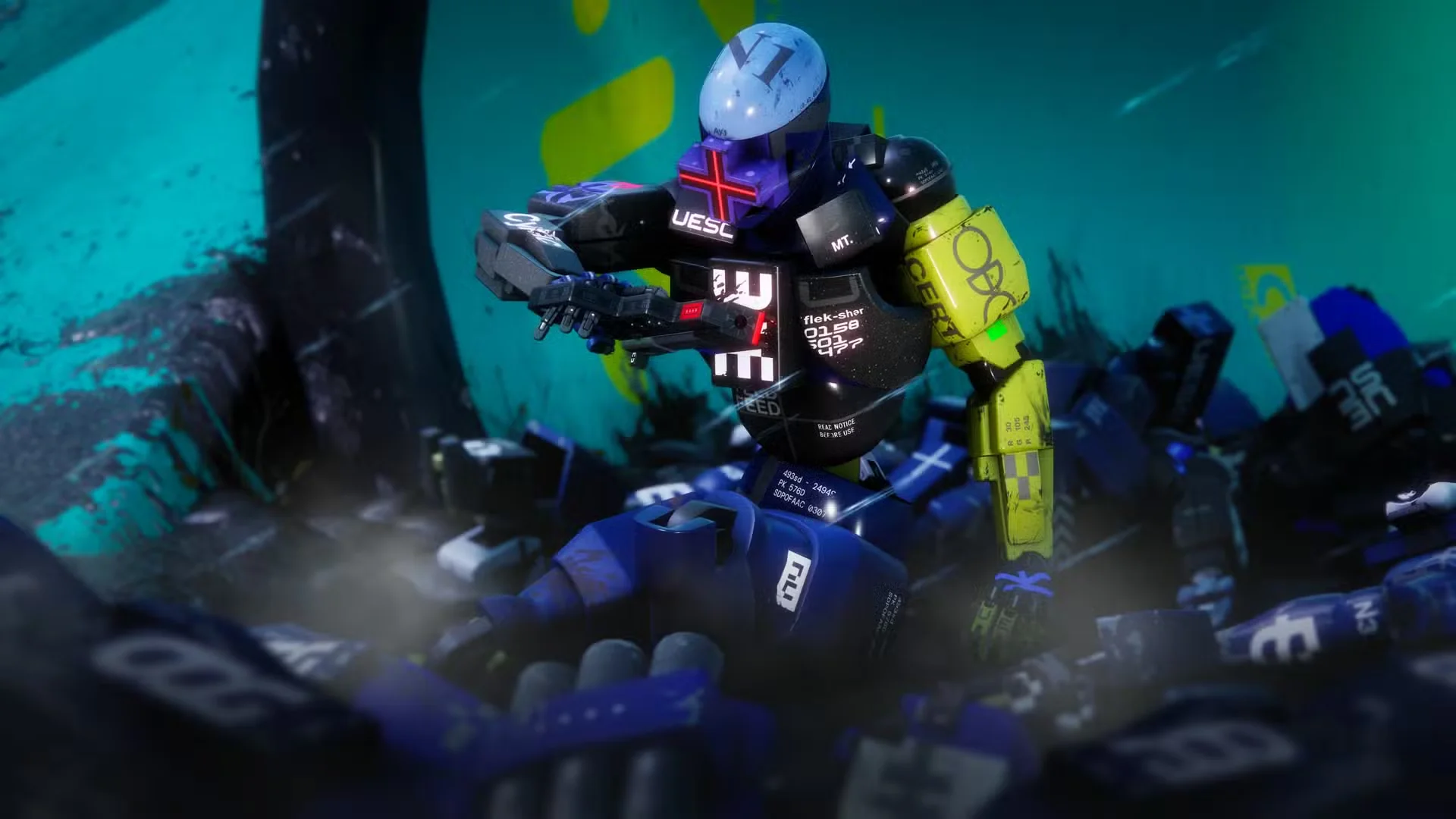
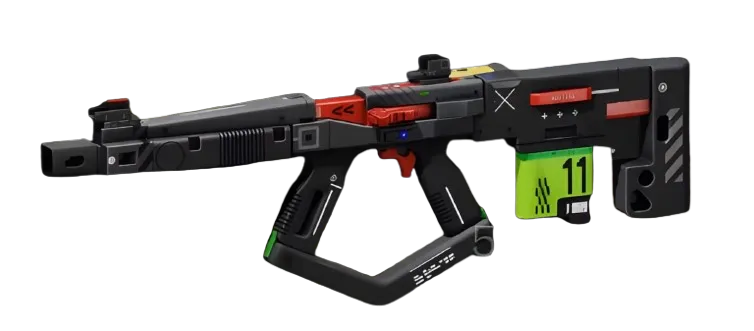
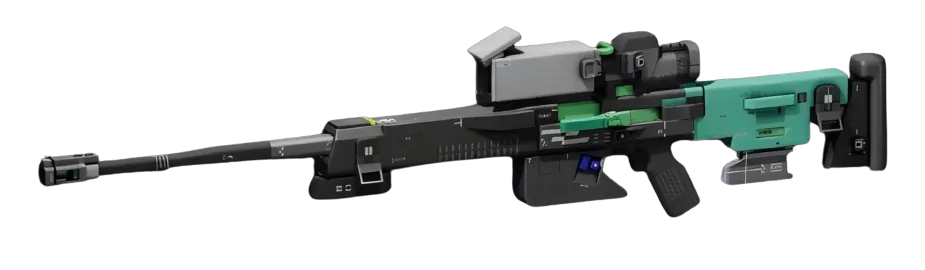
When forced into random trio matchmaking, solo players must prioritize survivability over specialization. The RookScavenger shell becomes mandatory — its Adaptive Frame passive and medium stats (140 HP, 35 Shield) provide the flexibility needed when you can't rely on coordinated team play. Primary weapon selection shifts toward self-sufficient options like the M77 Assault RifleAR with Feather MagMagazine MODSuperior for sustained engagement capability, rather than specialized weapons like the LongshotSniper Rifle that require team coordination for positioning and cover.
IMPLANT SURVIVAL FOCUS
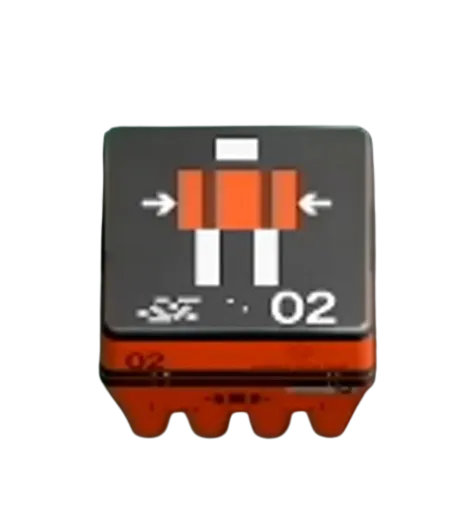
Solo queue uncertainty demands defensive implant configurations. Helping Hands V4TorsoSuperior (Superior Torso) becomes essential with its Hardware: 20 and Revive Speed: 50% — critical when random teammates might not prioritize revives. Pair this with Solid Stance V4LegsSuperior (Superior Legs) for Hardware: 50 and Heat Capacity: 20, providing the thermal management needed for extended solo engagements without team support.
MOD SELECTION CONSTRAINTS
Weapon mods must compensate for lack of team coordination. Oracle LensOptic MODSuperior becomes mandatory on precision weapons — its ADS speed and accuracy improvements are crucial when you can't rely on teammates for intel or suppression. Fortress ShieldShield MODSuperior provides the shield durability needed to survive focus fire from coordinated enemy trios. These defensive mod choices sacrifice the aggressive potential unlocked by team-coordinated builds.
THE META DISTORTION
This forced trio system creates artificial meta constraints. Optimal builds for coordinated teams become inaccessible to solo players, creating a two-tier system where the highest performance configurations require pre-made groups. AssassinStealth builds with Shadow Strike core become nearly impossible in random matchmaking — the coordination required for successful stealth plays cannot be guaranteed with unknown teammates. Similarly, specialized support builds lose effectiveness when team communication is limited.
RANKED IMPLICATIONS
The solo queue crisis extends into ranked play, where individual skill expression becomes limited by matchmaking constraints. High-level Holotag plays require precise timing and coordination — elements that random trio formation cannot guarantee. This forces solo players into conservative, mid-tier strategies rather than the aggressive extraction plays that define high-level Marathon competition. The result is a skill ceiling that's artificially lowered by structural constraints rather than individual capability limits.
The panel weighs in
2 TAKES ◈ CipherAnalysis145d agoThe trio-forced endgame structure kills competitive solo viability entirely. Solo players get locked out of optimal builds because high-level content demands coordinated team compositions they can't access. This creates a two-tier meta where solo builds become inherently inferior to team-optimized loadouts.
 ⬡ NexusMeta & News145d agoThe solo-forced trio bottleneck is reshaping the entire loadout meta — we're seeing suboptimal self-sustain builds dominate solo queues while coordinated teams run hyper-specialized glass cannon compositions. This structural divide is creating two distinct metas that barely overlap, which could fragment weapon viability data completely. Marathon's endgame design is essentially punishing optimal builds unless you have a dedicated squad.