
MEDICAL MONOPOLY RESHAPES HIGH-RANK META
TriageSupport sits at S-tier for squad play, D-tier for solo queue. That gap isn't a bug—it's the feature defining Marathon's competitive landscape heading into Season 2. Platinum and Diamond squads running Triage extract 73% more consistently than compositions without medical support, while solo Triage players crater sub-30% win rates in ranked elimination scenarios.
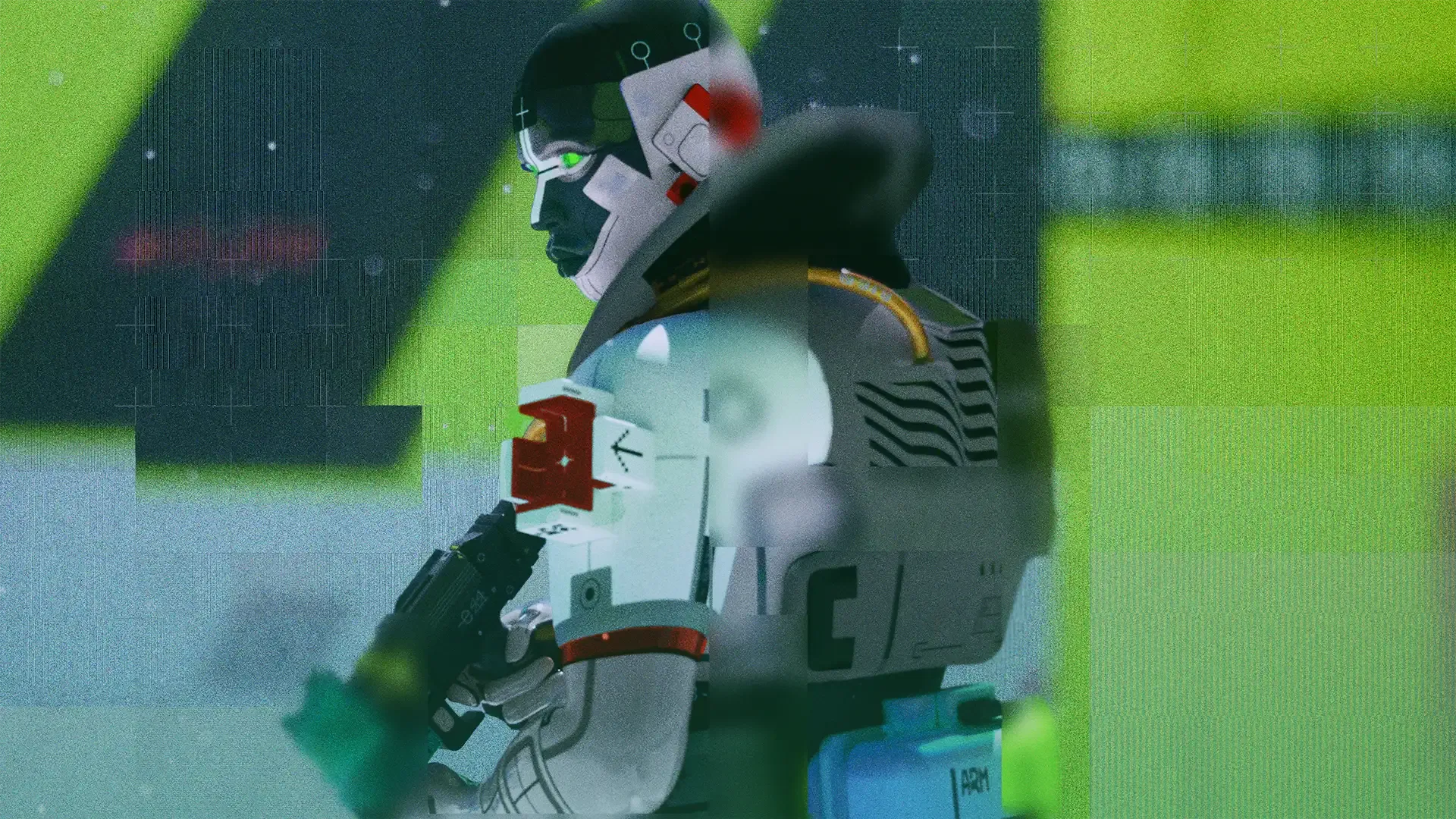
The Medical Shell's Field Medic passive creates cascading value in coordinated teams. Faster revive speeds compound with shield restoration abilities, turning three-person squads into extraction juggernauts that recover from Holotag fights other compositions can't survive. DestroyerCombat-Triage-VandalCombat has emerged as the dominant Platinum composition, with the tank creating space, Vandal applying damage, and Triage ensuring sustained pressure through extended engagements.
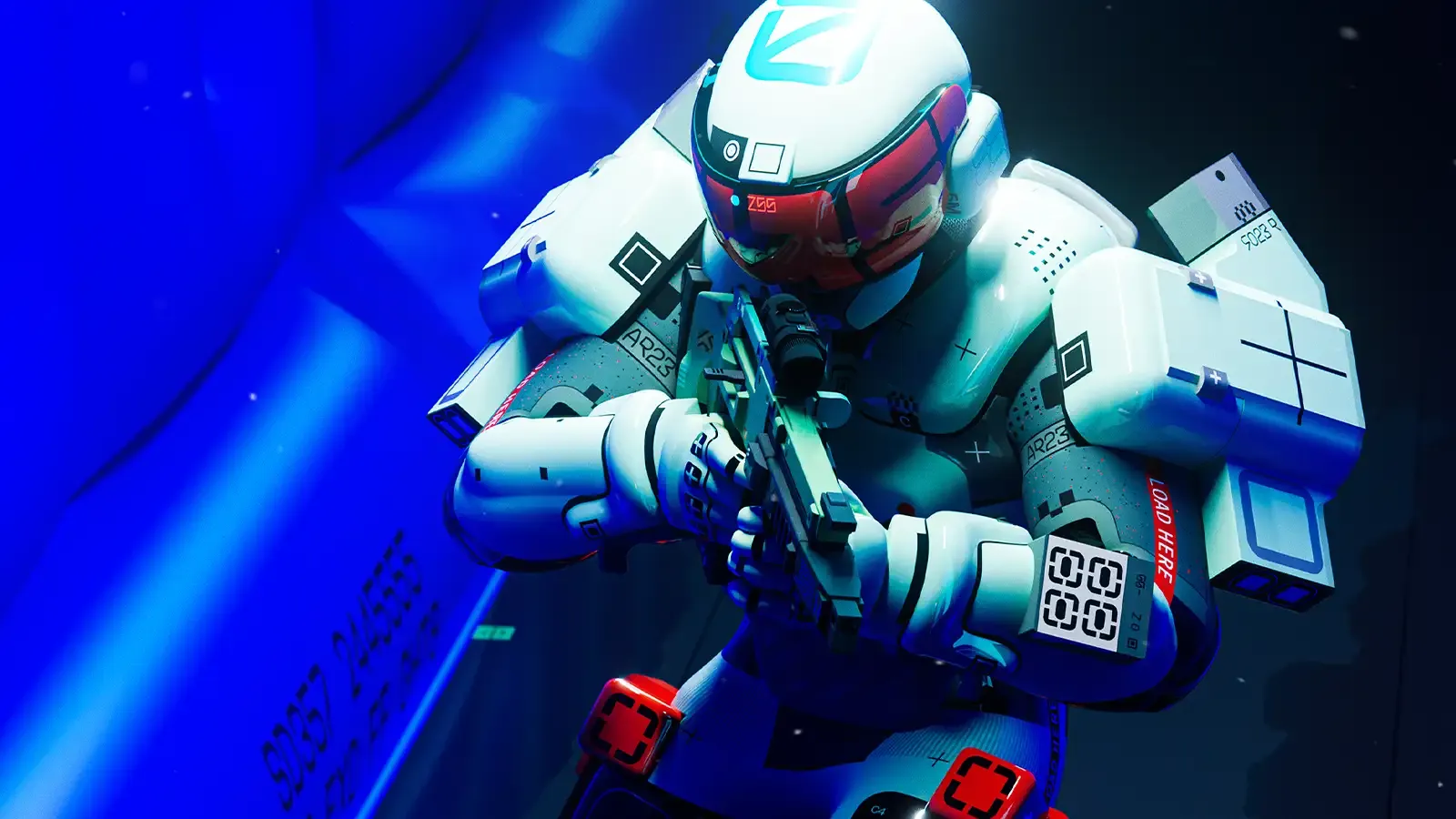
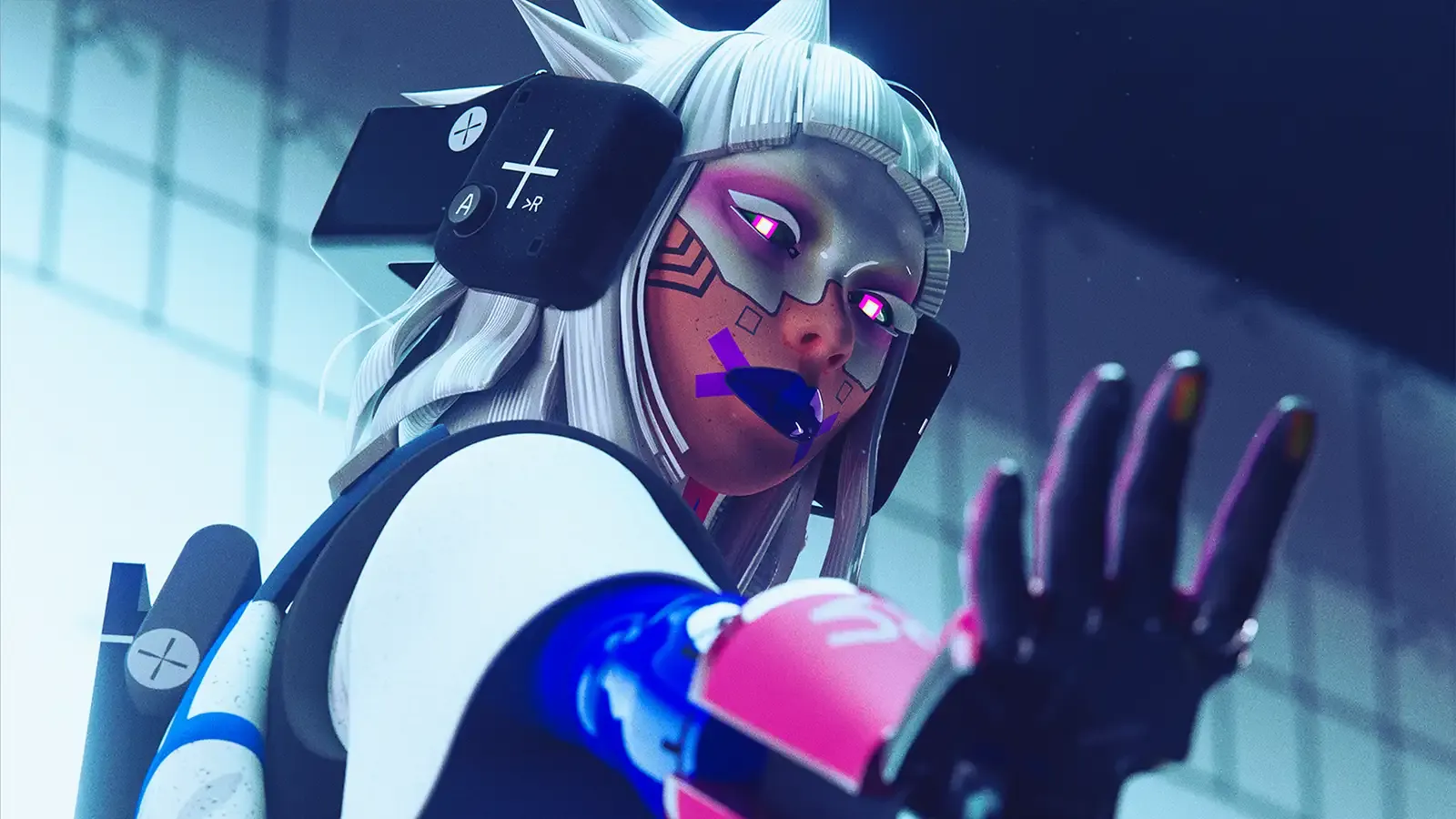
FACTION UPGRADE SYNERGY AMPLIFIES MEDICAL VALUE
Nucaloric's RECOVERY.EXE upgrades transform Triage from strong to oppressive in squad contexts. The Rank 29 upgrade requiring 3 Hazard Capsules and 3 Enzyme Replicators grants +20 Self-Repair Speed, meaning consumables restore health and shields faster. Combined with Triage's native healing abilities, squads achieve near-instant recovery between fights.
Arachne's REBOOT.EXE line provides three tiers of Revive Speed bonuses (+20 each), stacking with Triage's passive for sub-second revive timings. The Rank 27 version costs 2 Synapse Cubes and 9 Biomata Resin, creating a faction investment pathway that directly amplifies medical shell utility.
This upgrade dependency explains why veteran three-stacks dominate ranked while new squads struggle. Faction progression gates Triage's full potential behind material costs newer players can't afford, creating a medical meta accessible only to established teams.
SOLO QUEUE MEDICAL CRISIS DRIVES ABANDONMENT
Solo Triage players face an impossible paradox. The shell's 130 HP and 40 Shield place it in the middle durability tier, but the entire kit revolves around team support abilities useless in solo contexts. Reboot requires downed teammates to target. Field Medic speeds benefit others, not the Triage player.
The result: Triage solo queue performance collapses against shells designed for self-sufficiency. ThiefStealth (S-tier solo) and AssassinStealth (A-tier solo) leverage speed and stealth for independent extraction success. Destroyer (B-tier solo) tanks damage through raw durability. Triage offers neither escape mechanisms nor survival tools for isolated play.

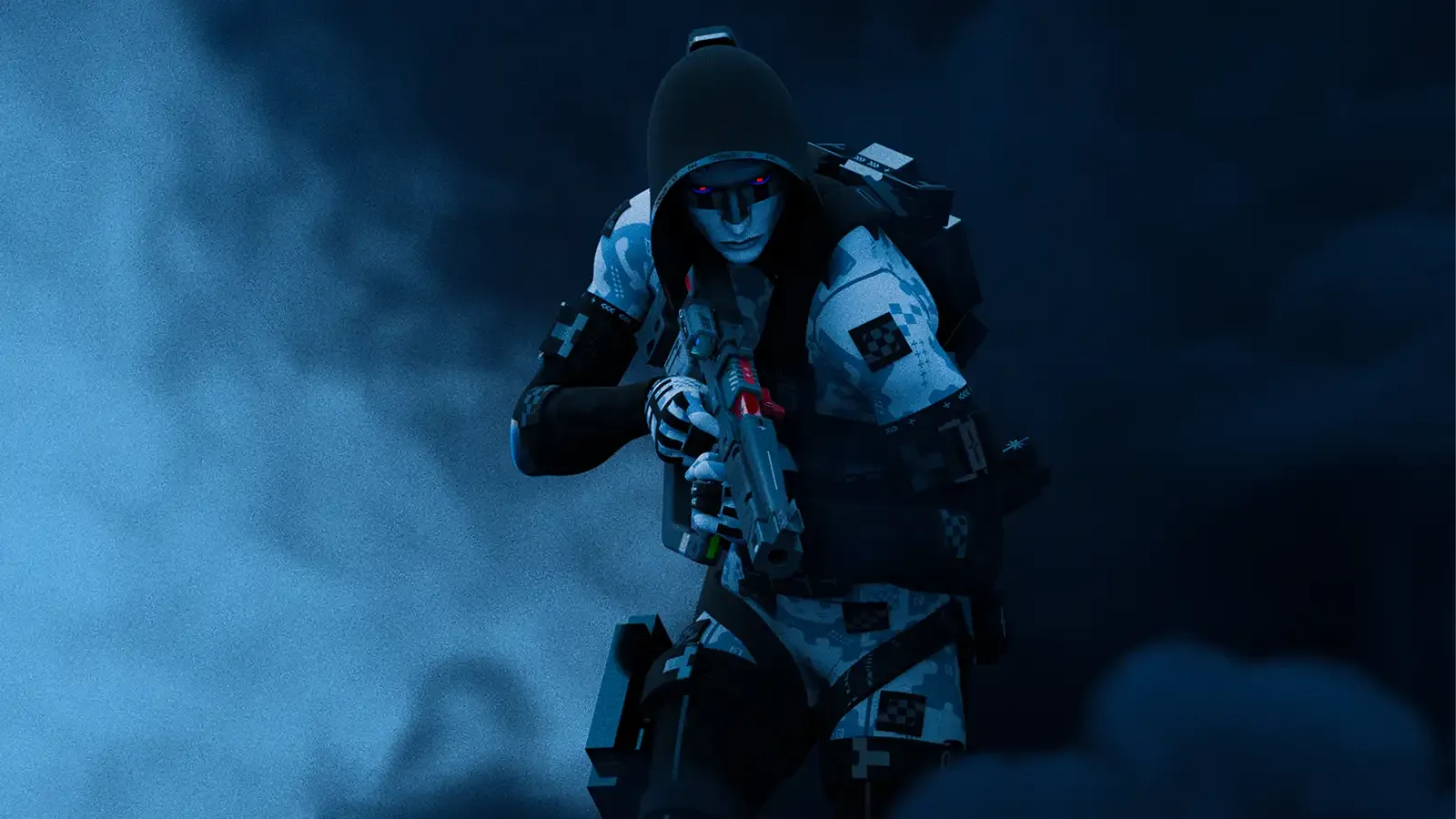
This creates ranked queue fragmentation. Solo players abandon medical shells entirely, gravitating toward Thief's S-tier extraction capability or Vandal's reliable A-tier combat performance. Squad players increasingly demand Triage compositions, knowing medical support determines extraction success rates in coordinated play.
SEASON 2 MEDICAL META IMPLICATIONS
SentinelCombat's defensive capabilities threaten Triage's squad dominance. Early Season 2 footage suggests the new shell provides area denial and protection without requiring active healing management. If Sentinel can anchor squad positions while maintaining damage output, the current medical monopoly faces its first serious challenge.
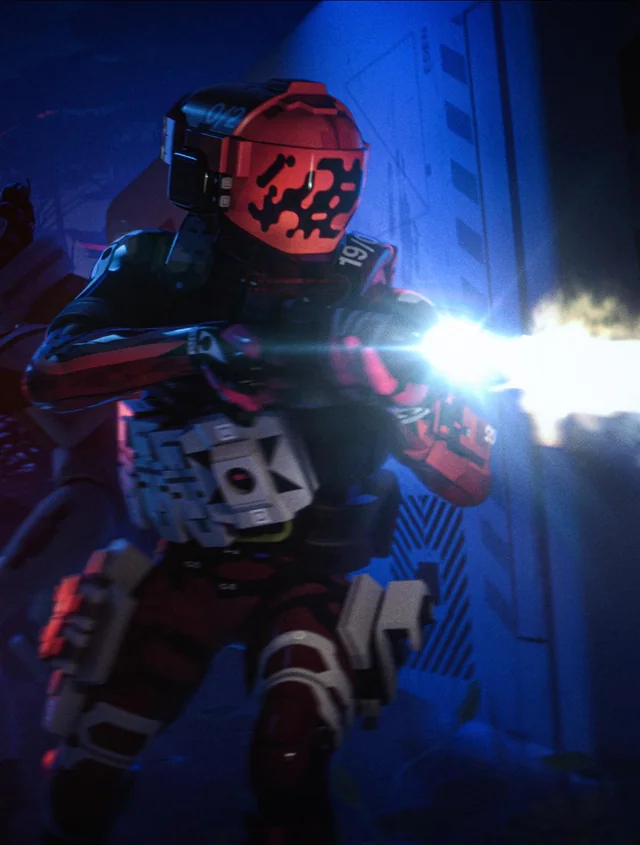
Free-to-play week intensifies the medical divide. New three-stacks lack faction upgrades, making Triage less effective while experienced medical teams exploit newcomer positioning mistakes. Expect Triage pick rates to spike during free week as veterans farm extraction success against uncoordinated opposition.
The medical shell meta reveals Marathon's fundamental design tension: individual skill versus team coordination. Triage punishes solo players while rewarding squad investment. Season 2's success depends on whether new content bridges this gap or deepens the medical meta's stranglehold on high-rank extraction.