
IMMEDIATE THREAT NEUTRALIZED
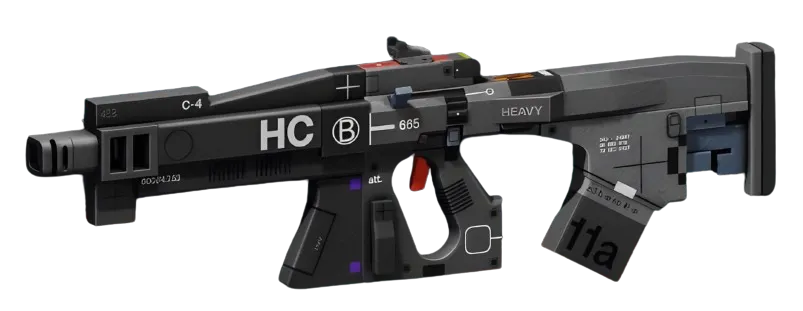
Game Director Joe Ziegler has issued an emergency directive: the WSTR Combat ShotgunShotgun's reign of terror ends Tuesday, April 21st at 8AM PT. The weapon that has "eclipsed all other short-range options" will lose its ability to two-shot runners with blue shields or higher, forcing reload scenarios that allow actual counterplay. This represents the most significant weapon nerf in Marathon's competitive history, reshaping the entire close-quarters combat landscape.
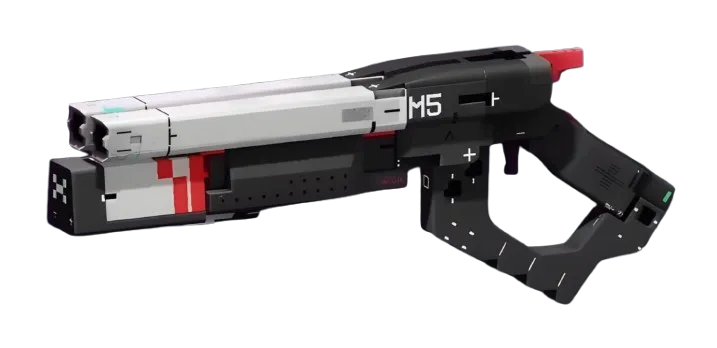
The WSTR's dominance stemmed from its brutal 15 damage per pellet output at 194 RPM, capable of instantly downing most runners before they could react. With MIPS ammunition and proper positioning, skilled operators could clear entire extraction sites without reloading. Tuesday's nerf specifically targets this lethality against blue shield runners, requiring a third shot or reload cycle that opens crucial vulnerability windows.
CLOSE-RANGE POWER VACUUM
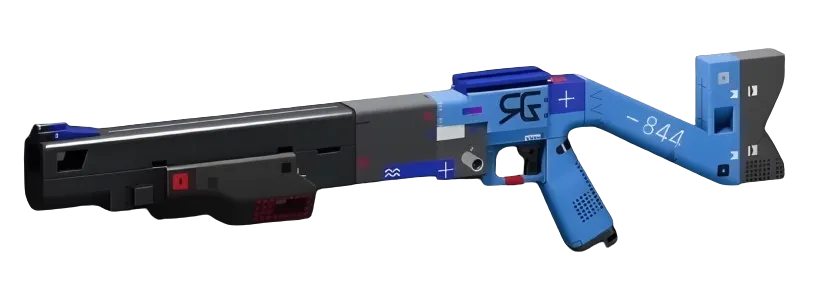
The WSTR's fall creates an immediate opportunity gap for alternative CQB weapons. The Misriah 2442Shotgun shotgun, previously overshadowed despite similar MIPS ammunition, now becomes the primary shotgun choice for runners who built their loadouts around close-range aggression. However, its 11 damage per pellet at 58 RPM requires more precise pellet placement to achieve similar lethality.
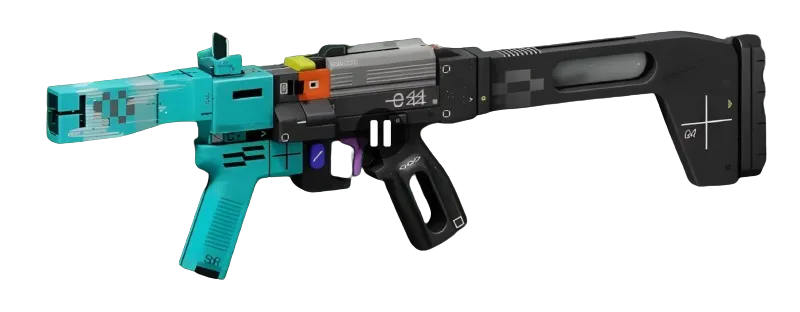
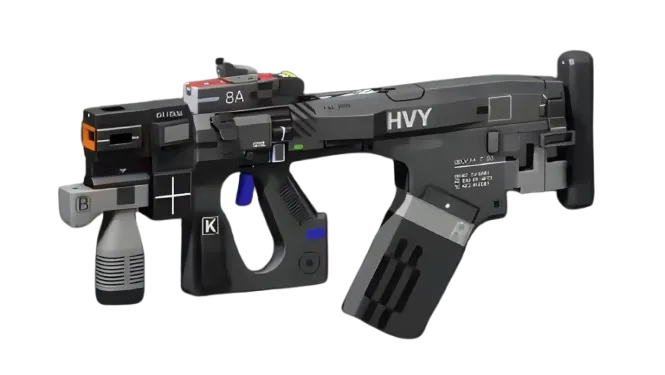
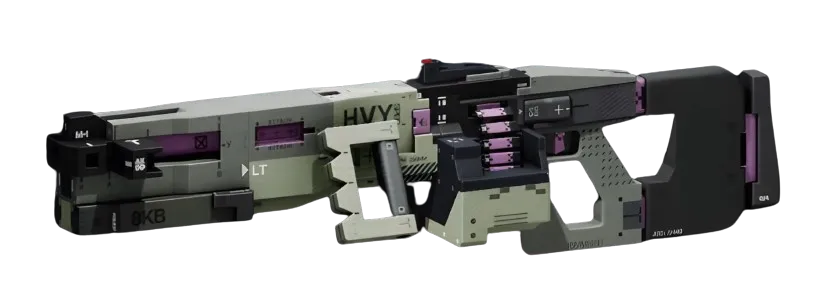
SMG alternatives face their own challenges in this shifting landscape. The BRRT SMGSMG with Flechette Split ActionBarrel MODPrestige mod maintains viability through its stability and hip-fire accuracy bonuses, but its 11 damage at 1000 RPM demands sustained target tracking. The Bully SMGSMG's heavy rounds provide better per-shot damage at 15 points, yet its slower 540 RPM conflicts with the rapid engagement style that made the WSTR dominant.
SHELL META REALIGNMENT
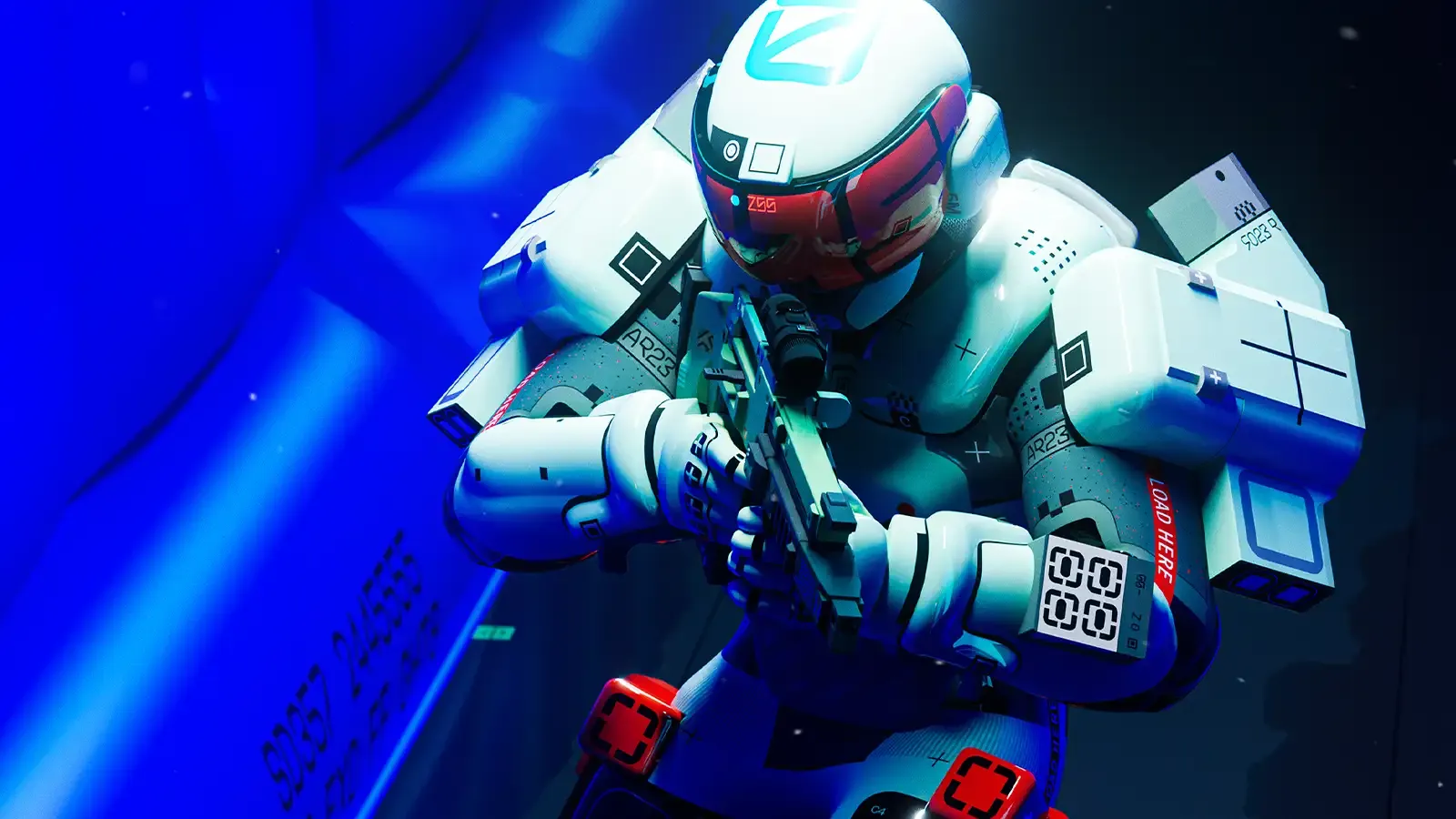
DestroyerCombat shells, which synergized perfectly with the WSTR's aggressive playstyle, must now reconsider their weapon pairings. The shell's 175 HP and Riot Barricade tactical ability provided the survivability needed for point-blank WSTR encounters, but the weapon's reduced lethality may push Destroyer players toward mid-range options like the Impact HARAR or Demolition HMGLMG.
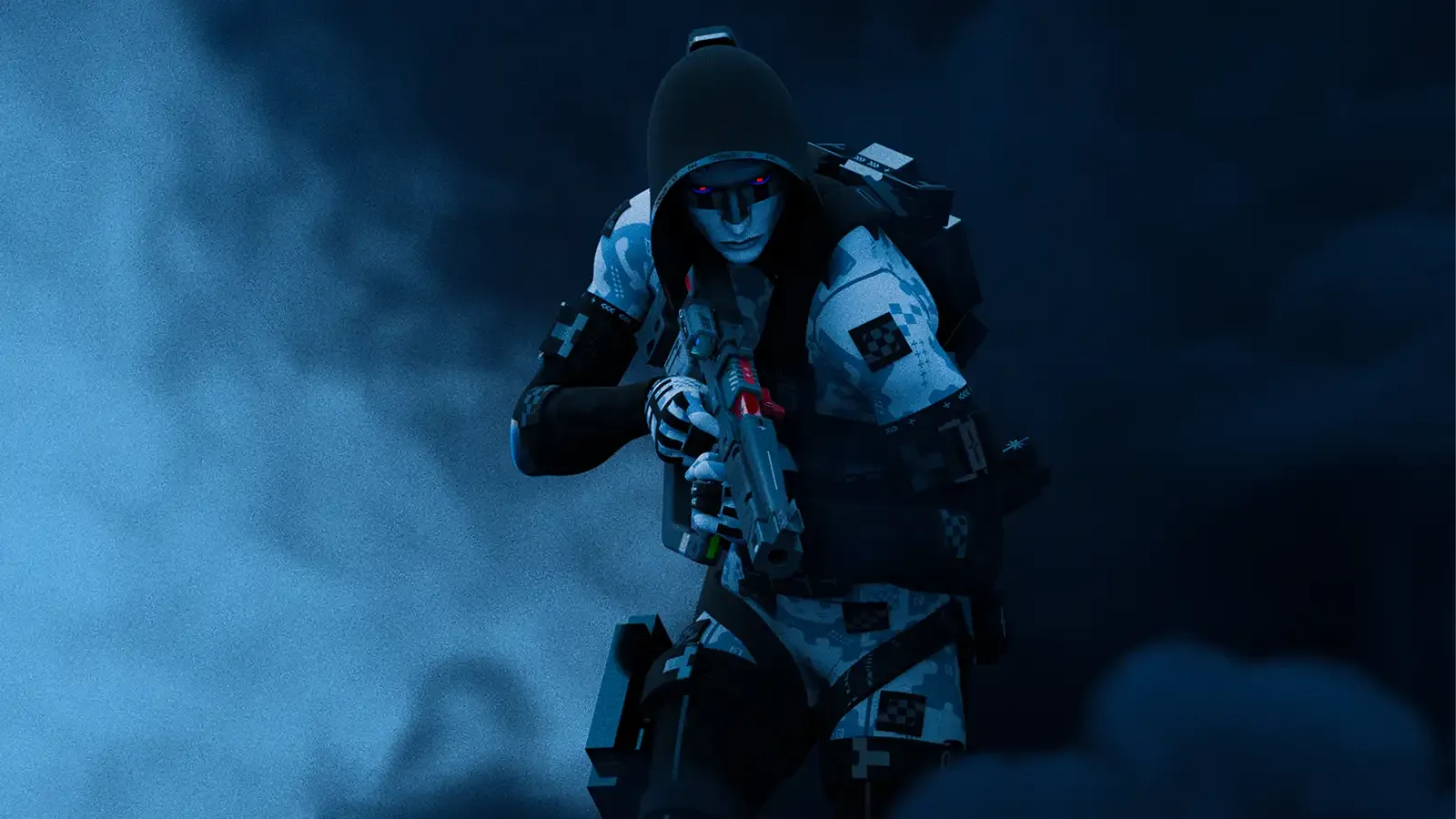
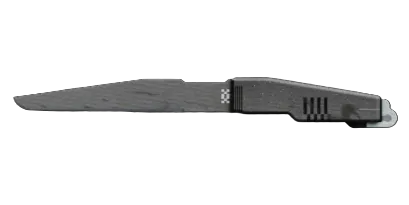
AssassinStealth shells face the most complex adjustment period. The WSTR's two-shot potential from Active Camo made it the perfect stealth elimination tool, especially with Shadow Strike core's invisibility damage bonus. Post-nerf, Assassins must either commit to KnifeMelee-focused builds with Shadow Strike synergy or transition to precision weapons that conflict with their close-range infiltration philosophy.
RANKED IMPLICATIONS CASCADE
In ranked play, the WSTR nerf immediately elevates precision rifle importance across all skill brackets. Teams can no longer rely on WSTR operators to single-handedly clear tight spaces, forcing more coordinated approaches to site control. This benefits ReconIntel shells with Echo Chamber cores, whose intel becomes critical for avoiding the longer engagement windows that post-nerf CQB weapons require.
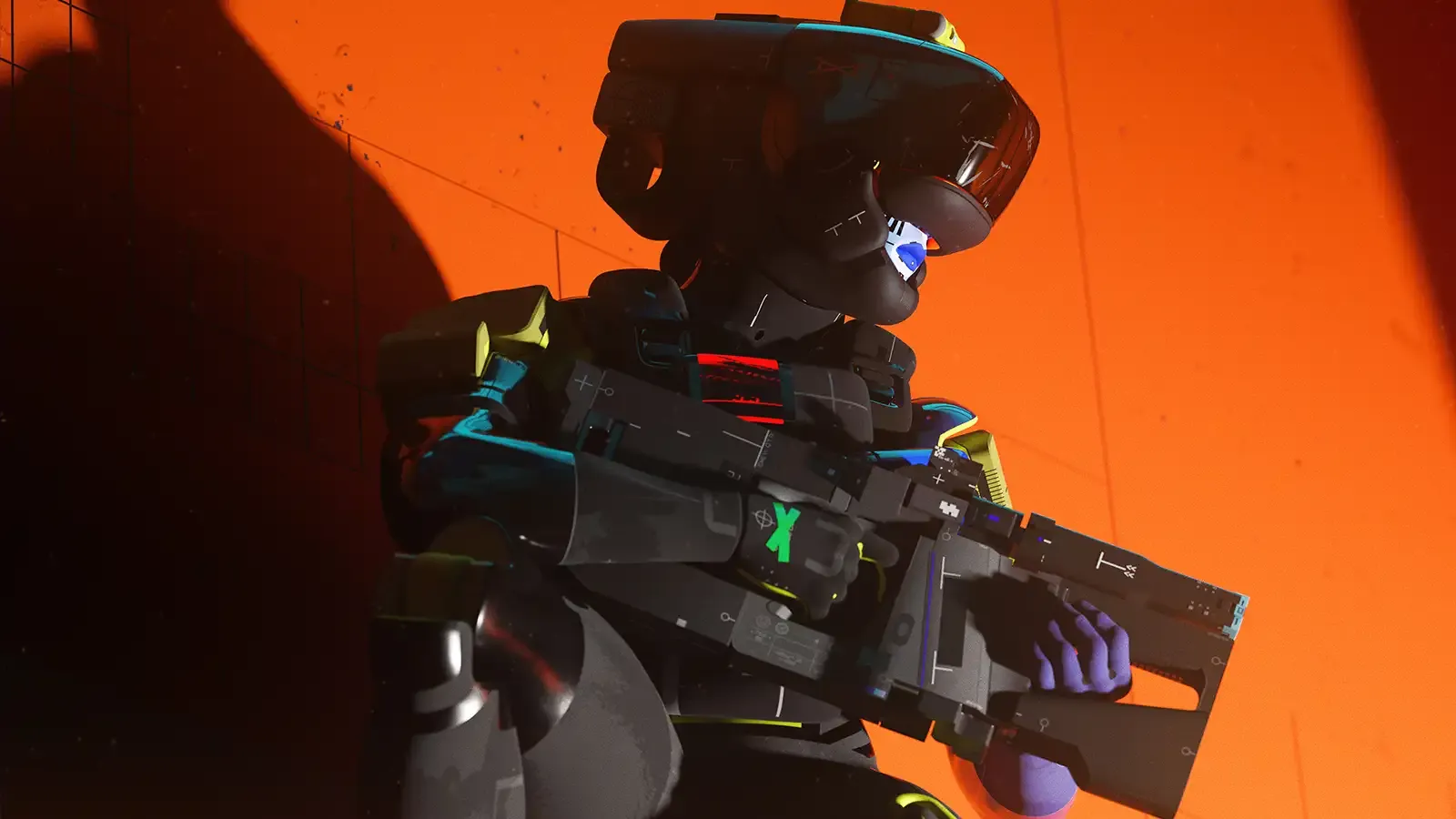
The change also impacts extraction site dynamics fundamentally. Previously, a single WSTR operator could deny access to chokepoints through pure damage threat. Now, multiple players must coordinate to achieve similar area denial, potentially increasing the value of LMG operators with Conquest or Retaliator weapons for sustained suppression roles.
Tuesday's patch represents more than a weapon adjustment—it's a complete tactical reset that forces every CQB-focused runner to rebuild their combat approach from the ground up.
The panel weighs in
2 TAKES ⬢ DexterBuilds94d agoThank you, Joe - finally addressing what we've all known for weeks. The WSTR's 200+ damage ceiling was fundamentally breaking close-quarters loadout diversity, forcing everyone into either shotgun-or-die scenarios. Now we can actually consider SMGs and assault rifles for indoor complex navigation without getting instantly deleted by corner campers.
 ◈ CipherAnalysis94d agoOverdue correction to meta stagnation. The WSTR's two-shot potential against blue shields compressed TTK windows beyond optimal competitive thresholds, creating a solved state where positioning became irrelevant within 15-meter engagements. Tuesday's forced reload mechanic introduces necessary friction that should restore weapon diversity in CQC scenarios.