THE SHELL THAT WINS EXTRACTIONS
Every squad has a moment where the math turns against them. A trade that cost too much. A door-push that landed one teammate on the floor. A boss fight that burned through everyone's heals. TriageSupport is the shell that rewrites that moment. Not by hitting harder — by making sure your crew is still standing when every other squad has already wiped.
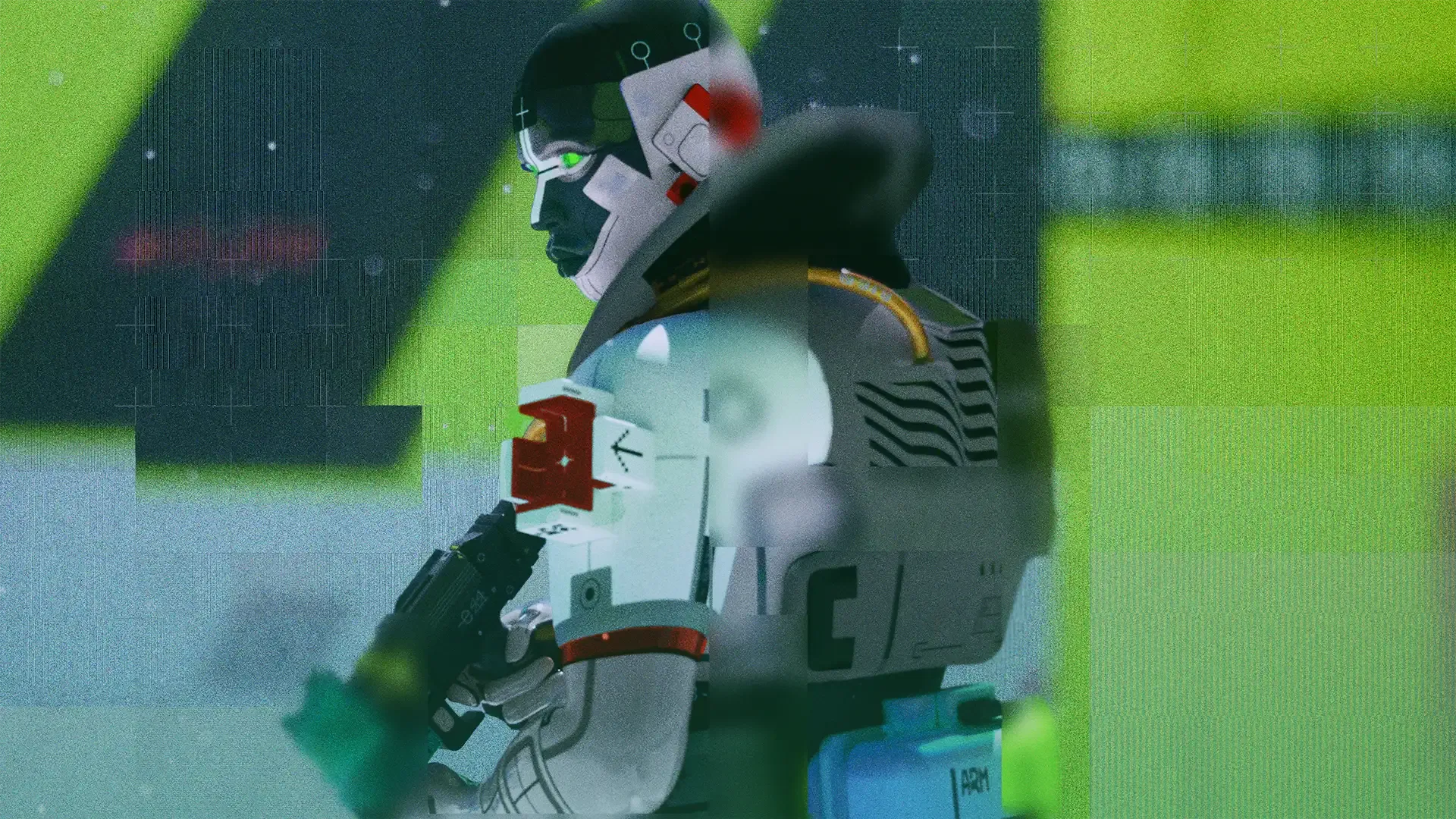
The numbers are blunt: Triage is rated D-tier in solo ranked and S-tier in squad ranked. I have seen this shape before. It maps exactly onto support roles in every team-extraction game I have covered — the shell that is helpless alone and irreplaceable together. If you are playing solo queue exclusively, Triage is the wrong tool. If you are running with two people you trust, it is arguably the strongest shell in the game.
WHAT THE KIT ACTUALLY DOES
Triage's four abilities divide cleanly into two combat jobs: keep your crew alive, and create fight windows.
Reboot+ is your prime ability. It revives downed or dead crew members at up to 50 meters — and it can simultaneously EMP active hostiles. That dual function is what separates a good Triage from a great one. In a three-way fight, you are not choosing between saving your teammate and punishing the squad that just downed them. You are doing both on the same activation.
Med-Drone is your tactical. Two charges stored, deploys a drone that restores health first and then shields, and critically — while attached, it prevents your teammate from bleeding out. That last clause matters more than the heal numbers. Bleed-out timers in high-pressure situations are where squads disintegrate. Med-Drone buys time.
Shareware.Exe is the trait that rewards preparation. When you apply a consumable to yourself while a crew member has your Med-Drone attached, they receive 25% of the benefit or duration. Patch Kits, Shield Charges, Cardio Kicks, Energy Amps — the list is long. Every consumable you pop is quietly supporting your crew. This is passive teamwork that does not require you to change your behavior at all.
Battery Overcharge is your second trait and your personal combat window: activate it to boost your ADS, handling, stability, and reload for 45 seconds at the cost of generating Heat. Pair it with a volt weapon and breaking a hostile's shield applies an EMP. This is Triage's answer to the criticism that support shells cannot fight — Battery Overcharge makes you genuinely dangerous during its window, and the EMP application punishes shields hard.
CRADLE PATH FOR TRIAGE
Because Triage's value compounds with your crew's survival, your Cradle investment should reinforce that loop. The Support track is the natural home — it improves Revive Speed and Ping, and the Factory Reset perk (reported at the 10 Energy breakpoint, exact values unconfirmed) restores your health over time when you revive a crew member. That kind of self-sustain matters when you are the one keeping everyone else up.
The Resistance track is worth secondary investment. The Field Medic perk (reported at the 14 Energy breakpoint, values unconfirmed) reduces how long medical consumables take to use — and since your Shareware.Exe trait is built around consumables, faster usage means the whole system cycles more efficiently.
Because the Cradle is free to respec at any time, you are not locked in. Start heavy in Support, see how your squad plays, and adjust. The planner at /cradle lets you map out your Energy path before you commit a single point.
HOW TO PLAY TRIAGE IN PRACTICE
The first lesson: your job is not to be last in every fight. Battery Overcharge gives you a genuine combat window — use it. The mistake new Triage players make is hanging back so far that they cannot do anything when the fight goes wrong. You need to be close enough that Med-Drone can reach a downed teammate in under two seconds. That is a different position than hiding behind cover 30 meters away.
The second lesson: track your Med-Drone charges like ammunition. Two charges sounds like plenty until a multi-squad situation eats both and your prime is still on cooldown. Prioritize the teammate under the most pressure, not the one who went down first.
The third lesson: communicate your Shareware.Exe windows. If your crew knows you are about to pop an Energy Amp, they can time an aggressive push to coincide with the ability chain. That coordination is what makes the shell feel unfair to the other team.
A note on faction Armories: NucaloricConsumer Goods sells Patch Kits through their Armory (Enhanced tier, 165 Credits, with a free daily claim). Since Patch Kits are on the Shareware.Exe consumable list, stocking them cheaply through NuCaloric is a direct support investment. Check /factions for NuCaloric's full Armory and reputation requirements.
TAKEAWAYS
- Triage's solo ranked rating (D-tier) is honest — play it with a coordinated squad or not at all. Its S-tier squad value only materializes when your crew communicates. - Battery Overcharge is not optional flavor. It is your fight window and your shield-to-EMP pipeline. Learn when to activate it before you think about anything else. - Invest your Cradle Energy into the Support track first, then Resistance. The Factory Reset and Field Medic perks (values unconfirmed, check /cradle) directly amplify what Triage already does well.