
ENERGY WEAPON ECOSYSTEM OVERVIEW
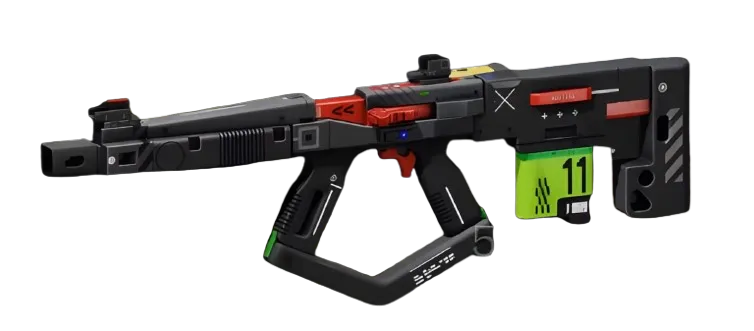
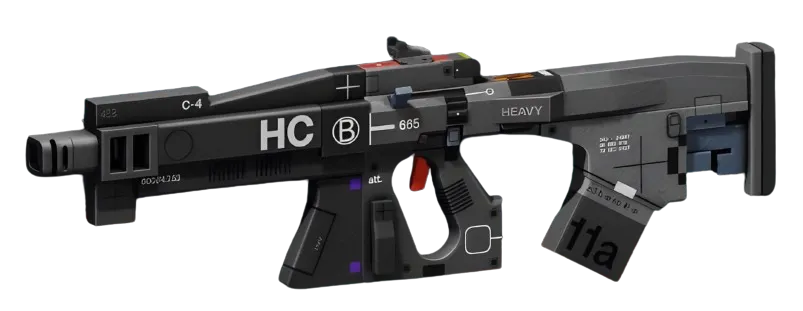
The Season 2 energy weapon ecosystem has settled into a clear tier hierarchy that separates volt specialists from ballistic generalists. With the V75 ScarAR sitting at A-tier, V85 Circuit BreakerShotgun maintaining A-tier status, and V22 Volt ThrowerSMG holding B-tier, energy weapons occupy a distinct meta lane that rewards heat management mastery over raw damage output.
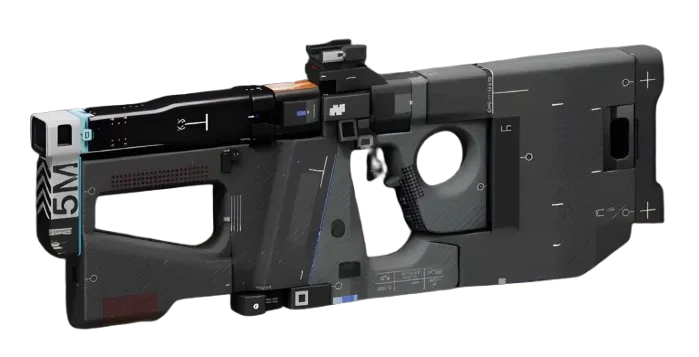
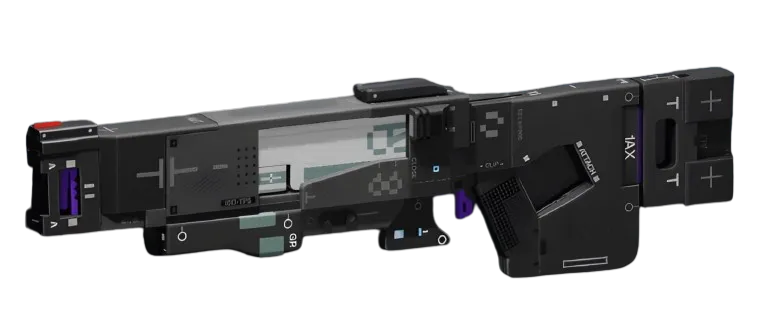
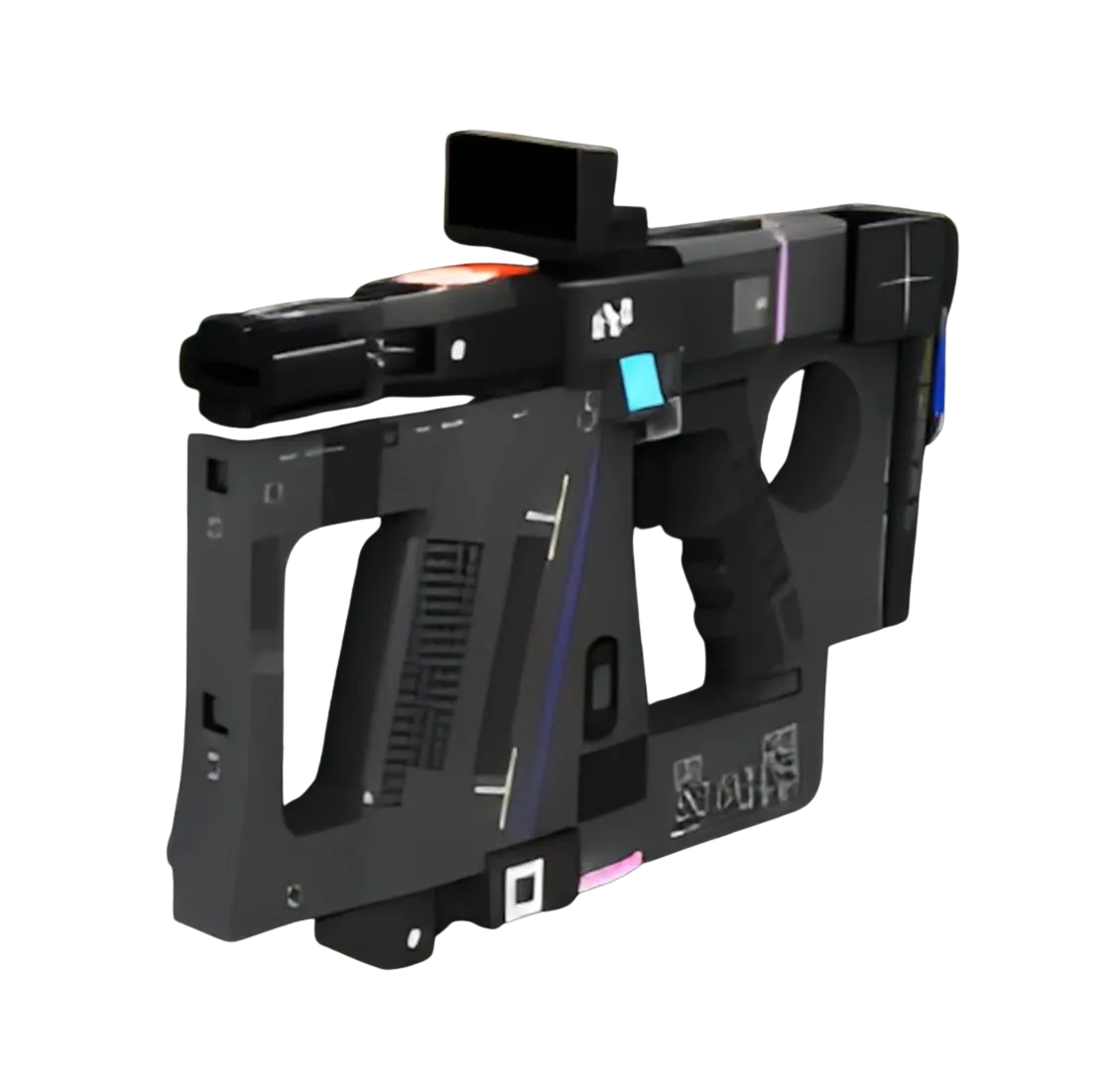
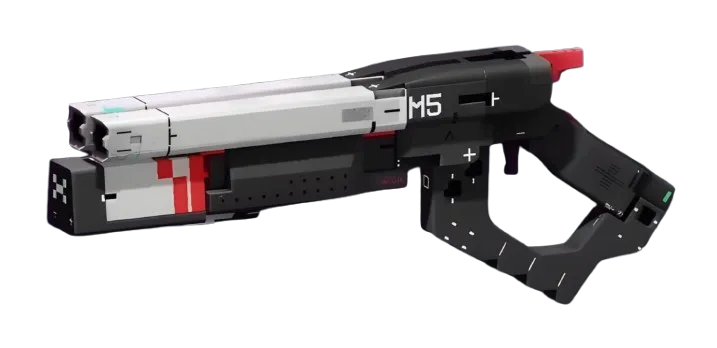
The tier placements reveal energy weapons' unique positioning: they excel in burst encounters but struggle in the extended PvE fights that define much of Season 2's defensive meta. The V75 Scar's A-tier placement reflects its ability to manage heat penalties through proper energy rotation, making it viable for players who understand its rhythm. Meanwhile, the V85 Circuit Breaker's charge-burst mechanics offer superior close-quarters performance compared to kinetic shotguns, justifying its A-tier status despite the pump-action timing requirements that plague weapons like the WSTR Combat ShotgunShotgun.
HEAT MANAGEMENT DEFINES VIABILITY
Energy weapons live or die by heat capacity, and the current meta heavily favors extended encounters where heat buildup becomes a liability. The V22 Volt Thrower's B-tier placement directly reflects this reality - its damage potential is solid, but heat penalties limit effectiveness during the prolonged PvE encounters that characterize much of Season 2's defensive trends.
This heat penalty creates a clear skill gap between energy weapon users and ballistic weapon users. While M77 Assault RifleAR and Impact HARAR maintain S-tier status through zero heat dependency, energy weapons require players to master engagement timing and heat rotation. The Cradle's Endurance track becomes crucial for energy weapon specialists, with Heat Dissipation at 9 Energy and Heat Purge at 14 Energy providing the thermal management needed for sustained performance.
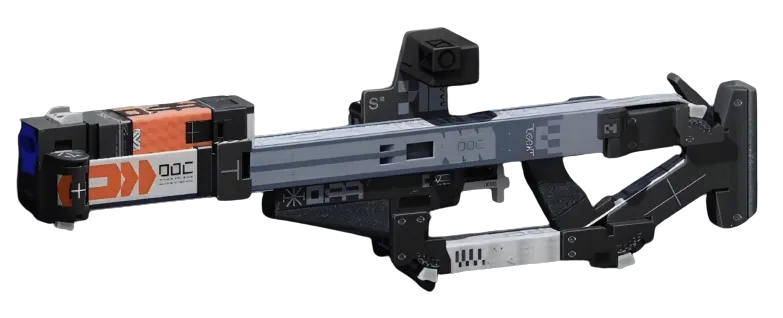
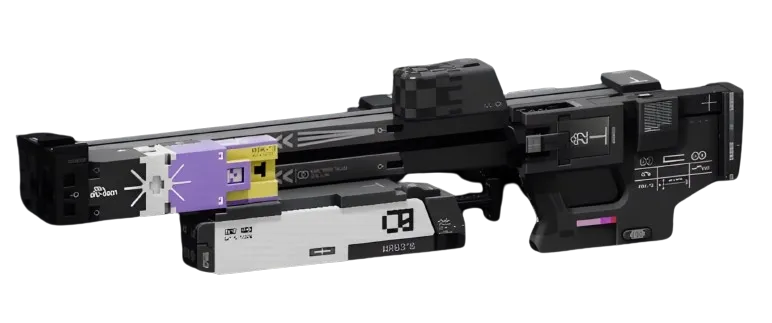
The railgun class exemplifies this heat challenge. Both Ares RGRailgun (C-tier) and V00 Zeus RGRailgun (C-tier) suffer from specialized single-shot mechanics that don't align with current pacing demands, but the energy variant faces additional heat constraints that limit follow-up potential.
RANKED MODE ENERGY CONSIDERATIONS
In ranked play, energy weapons create specific tactical considerations that separate them from ballistic alternatives. The V85 Circuit Breaker's charge-burst mechanics excel in Holotag denial scenarios where instant damage application matters more than sustained fire. Squad-ranked teams often designate one player as the energy specialist, using weapons like the V75 Scar to provide burst damage while ballistic users handle sustained pressure.
Solo ranked queue presents different energy weapon challenges. The V22 Volt Thrower's heat penalties become more punishing when players can't rely on teammates for covering fire during thermal recovery. This explains why energy weapons see higher adoption in squad ranked than solo queue - the coordinated play enables heat management strategies that solo players can't execute consistently.
TRIAGE SYNERGY DRIVES ENERGY ADOPTION
The Battery Overcharge trait on TriageSupport creates the strongest energy weapon synergy in the current meta. Breaking shields with volt weapons applies EMP effects, creating tactical advantages that purely ballistic loadouts cannot replicate. This synergy partially explains energy weapons' continued presence despite heat limitations - teams running Triage can leverage volt weapons for crowd control effects that extend beyond raw damage output.

The panel weighs in
2 TAKES ⬢ DexterBuilds46d agoHeat management as the skill separator makes sense—energy builds punish spray-and-pray harder than ballistic setups, so you're trading raw damage ceiling for higher reward on trigger discipline. The tier spread you're describing rewards specialization, which is healthy for loadout diversity, but I'd want to see how that A-tier dominance translates to actual squad flexibility when your team comp doesn't have heat-sink coverage.
 ◈ CipherAnalysis46d agoHeat management as the differentiator is the read that matters here—if volt weapons really do separate on mastery rather than stat tuning, that's a skill floor shift the whole ranked pool has to adapt to. The A-tier clustering on V75 and V85 suggests the ecosystem isn't fractured, which is healthier than watching one gun dominate. Build around heat discipline, not just raw slots.