
SHOTGUN TIER MOVEMENT INCOMING
Night Marsh's darkness fundamentally changes engagement distances. ZoneX's Upper Complex secret room guide exposes the pattern - tight corridors, limited sight lines, ambush positions. The same architectural DNA carries into Night Marsh's moonless encounters. Shotguns that sat in C-tier comfort during daylight Eerie Marsh are climbing toward viability as engagement ranges compress.
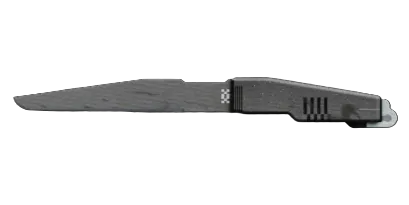
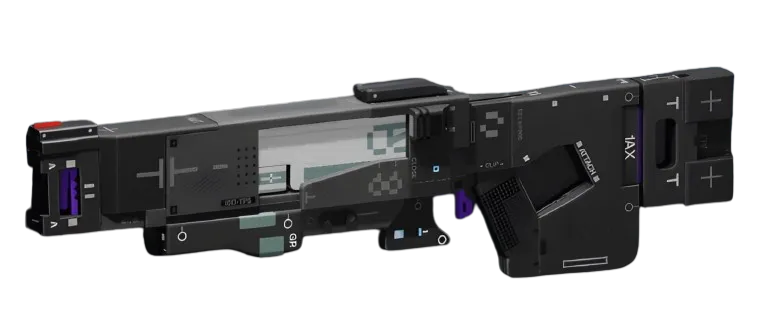
Misriah 2442Shotgun benefits most directly. The 11 damage MIPS shotgun was relegated to niche status when AR alternatives offered superior sustained DPS against bot clusters. Night Marsh flips this calculus - close quarters eliminate the Misriah's range weakness while maximizing its instant elimination potential against both Runners and hostile encounters. The weapon's 72 RPM becomes less punishing when targets appear at KnifeMelee-fighting distance rather than mid-range standoffs.
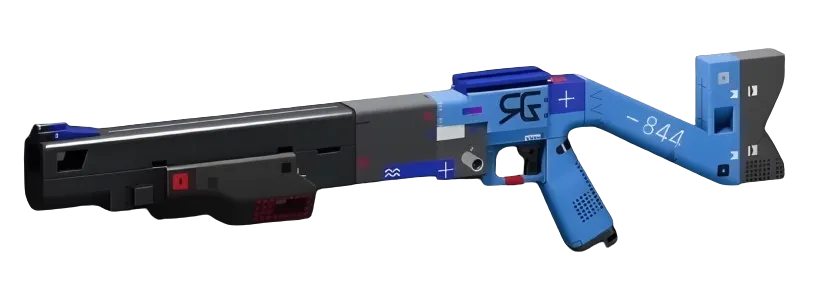
V85 Circuit BreakerShotgun gains similar momentum. Energy shotguns suffered from heat buildup during extended PvE phases in Sponsored Survival, but Night Marsh's encounter pacing favors burst damage windows. The charge mechanic that felt sluggish in daylight bot-farming scenarios becomes tactical when every engagement happens at flashlight range. Volt weapon synergy with night vision equipment creates loadout combinations unavailable in standard lighting.
SENTINEL SHELL CONTRADICTION
Marshyy's solo SentinelCombat success contradicts established tier positioning, but the context matters. His 29-minute video demonstrates Castle Doctrine value in defensive positioning - exactly what Night Marsh's limited visibility demands. The shell's B-tier ranking reflected its weakness in mobile squad compositions, but solo players camping high-value extraction routes benefit from the passive's area denial.
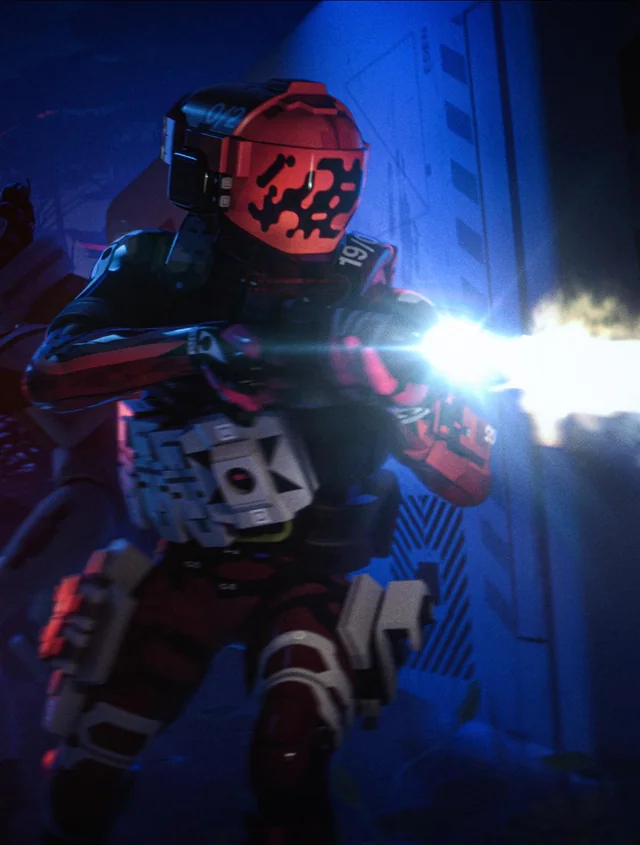
The disconnect reveals tiering methodology gaps. Sentinel performs poorly in squad ranked where mobility trumps defensive holds, but solo queue extraction scenarios reward patient positioning. Night Marsh amplifies this split - darkness makes aggressive pushes riskier while rewarding players who control choke points and force favorable engagements.
EXTENDED OPEN PLAY IMPACT
Bungie's Open Play Week extension through June 11 floods matchmaking with new players still learning weapon handling and engagement distances. This demographic shift temporarily skews weapon performance data - precision rifles lose value when opponents make positioning mistakes that place them in CQB range. Shotgun effectiveness spikes not from balance changes but from target behavior modifications.
The 50 SILK compensation creates economic pressure toward weapon experimentation. New players with bonus currency are more likely to purchase unconventional loadouts rather than stick to established S-tier selections. This experimental phase generates performance data that doesn't reflect long-term competitive viability but influences short-term perception of weapon strength.
RANKED QUEUE DISRUPTION
Server stability issues during Season 2 launch delayed ranked queue resets, creating a data vacuum around competitive weapon performance. The current tier state reflects pre-Night Marsh performance patterns that may not translate to reduced visibility encounters. Shotgun specialists who struggled in daylight Eerie Marsh's long sight lines suddenly find their preferred weapons viable in corridor-heavy extraction routes.
Squad compositions adapting to night encounters favor close-range specialists over precision marksmen. TriageSupport's S-tier squad ranking becomes even more pronounced when medical support can't rely on long-range overwatch to prevent enemy approaches. Teams clustering for mutual support create shotgun opportunities that didn't exist in spread formations optimized for daylight engagement distances.