
OVERCROWDING PROTOCOLS ACTIVATED
Bungie just pulled the trigger on a radical Dire Marsh experiment that could reshape the entire extraction meta. The Sponsored Dire Marsh experimental queue now runs with one fewer crew per match, directly addressing what the dev team calls "collision issues" in high-density zones. This isn't just a number tweak — it's a fundamental shift in how aggression, positioning, and extraction timing work on Marathon's most contested map.
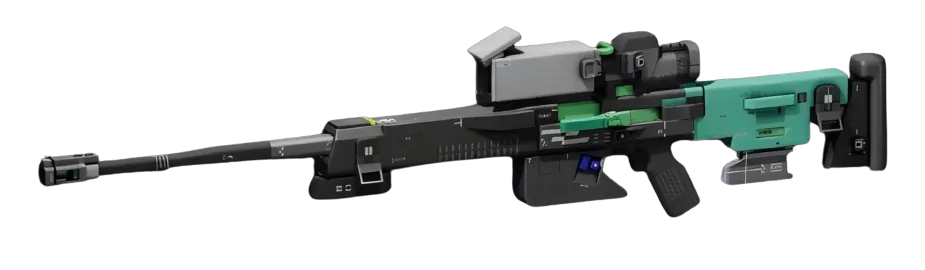
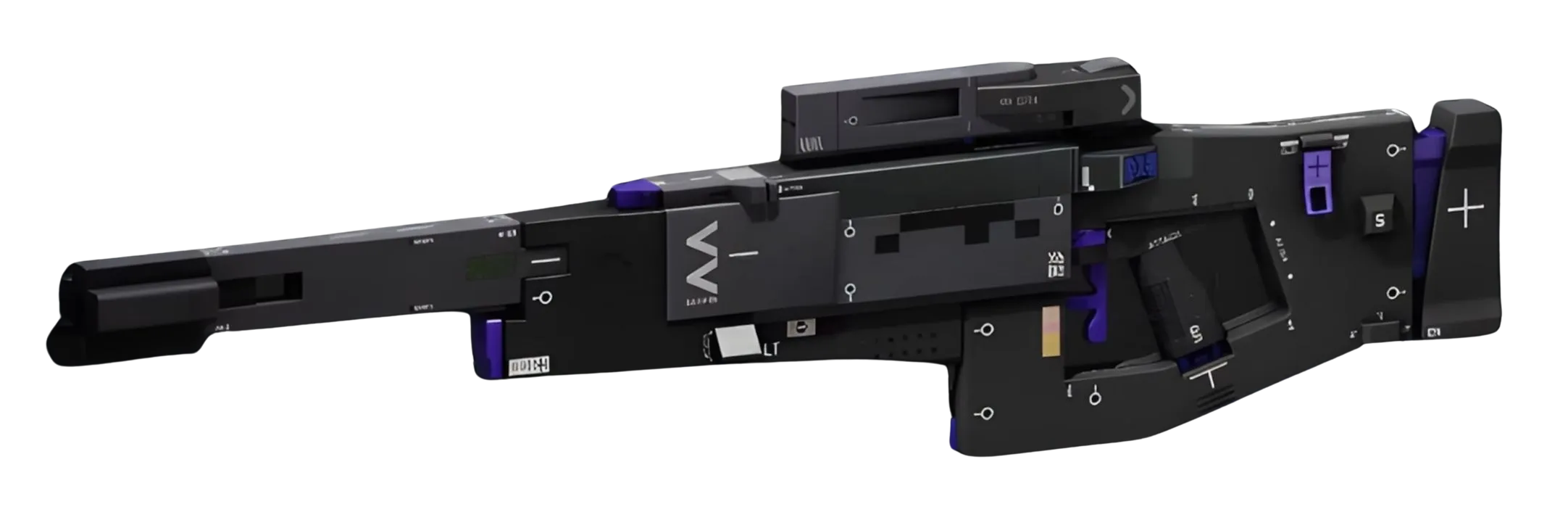
The developer update confirms what ranked players have been screaming about for weeks: Dire Marsh feels like a meat grinder where early-game fights become inevitable. With crews spawning too close to high-value loot zones, strategic positioning gets thrown out the window in favor of whoever can land the first LongshotSniper Rifle headshot or V99 Channel RifleSniper Rifle charge beam. Reducing crew count from the standard density creates breathing room for actual tactical play instead of the current "land and immediately start shooting" meta.
SPONSORED KITS RESHAPE RESOURCE ECONOMY
The consumable economy changes hit different when Dire Marsh isn't a constant deathmatch. Depleted Patch Kits and Depleted Shield Charges now stack to 6 instead of 3, while Enhanced and Deluxe Sponsored Kits get dramatically increased daily stock limits. This directly buffs TriageSupport shells running the new 6-stack consumable builds that were previously resource-starved.

Triage players with Samaritan cores can now maintain entire squads through extended engagements, turning what used to be quick elimination scenarios into sustained battles of attrition. The higher Recruit drop rates for depleted consumables means solo players aren't completely locked out of the healing economy, but squads with dedicated Triage support gain massive sustainability advantages.
WSTR NERF OPENS PRECISION WINDOWS
While the headline focuses on density changes, the WSTR Combat ShotgunShotgun nerf creates the real meta earthquake. No more two-tapping blue shields means the weapon that dominated close-quarters combat for months finally has counterplay windows. This directly benefits precision weapons like the Hardline PRPrecision Rifle and V66 LookoutPrecision Rifle that can now engage WSTR users at mid-range without getting instantly deleted on approach.
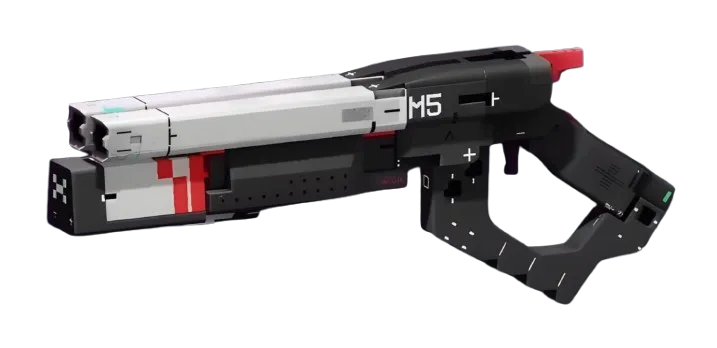
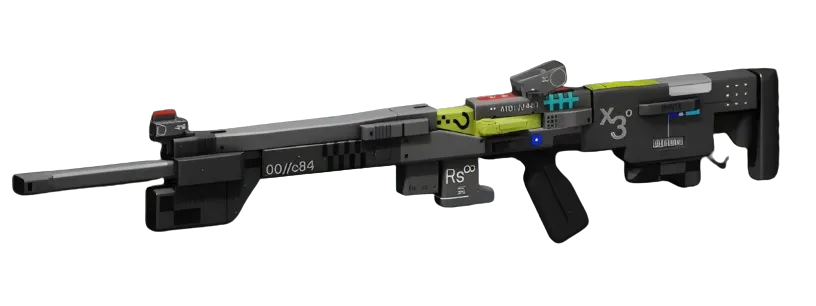
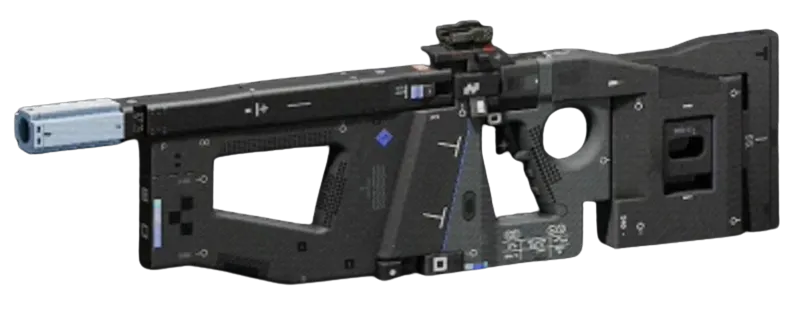
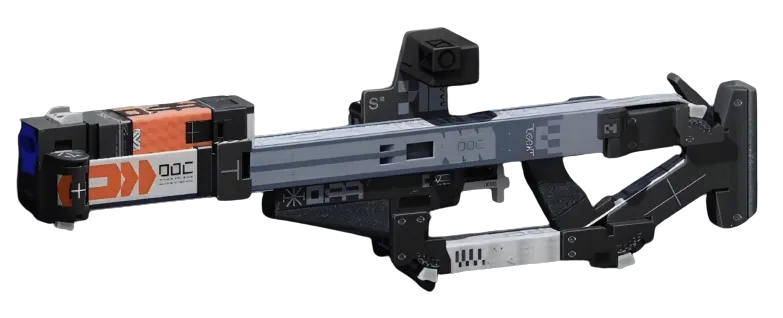
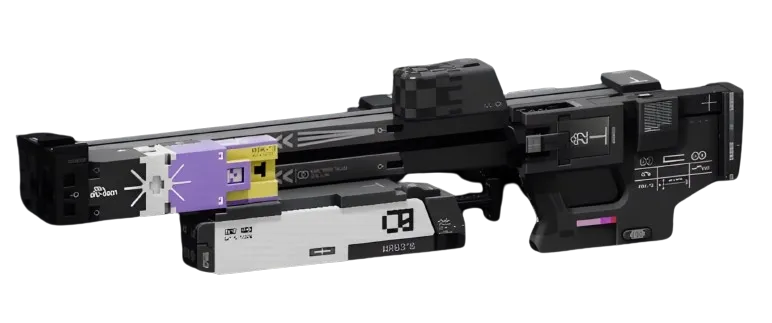
The Ares RGRailgun and V00 Zeus RGRailgun railguns become particularly potent in the new lower-density Dire Marsh. With more space between crews, railgun users get actual sightlines instead of being forced into immediate CQB scenarios. Energy weapons across the board benefit from the meta shift, as their charge mechanics finally have room to breathe without constant WSTR pressure.
EXTRACTION TIMING REVOLUTION
Lower crew density fundamentally changes extraction math. Instead of racing to exfil sites before the inevitable third-party arrives, teams can actually execute methodical looting routes and defensive setups. ReconIntel shells with Echo Pulse cores become exponentially more valuable for monitoring the expanded engagement ranges, while DestroyerCombat shells with Impact Siphons can actually establish defensive positions without getting overwhelmed by multiple crews simultaneously.
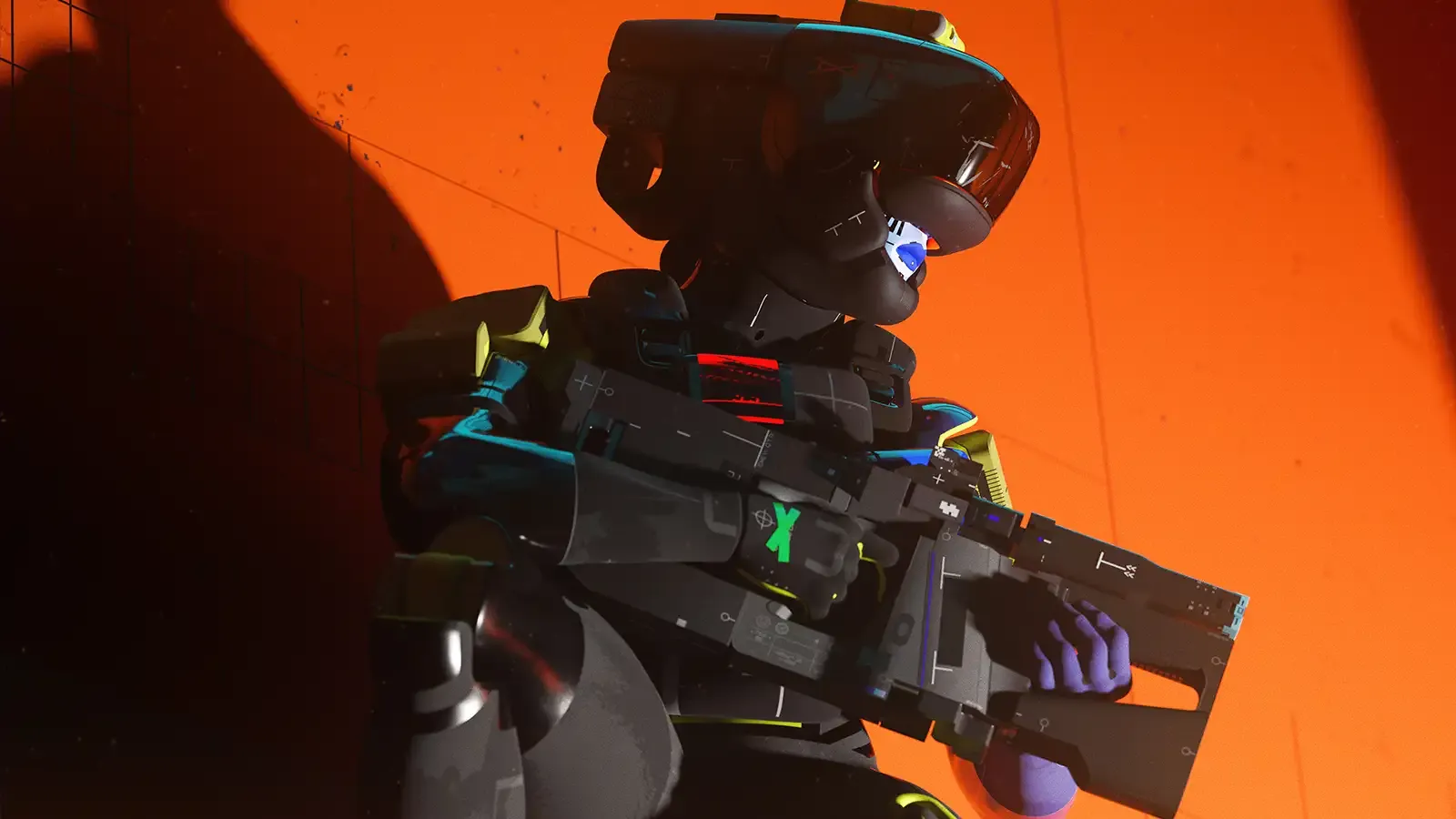

The Biotoxic DisinjectorHybrid receiving a drop chance buff in Cryo Archive's Security Clearance 5 room adds another layer to the loot economy, but the real story is how space changes everything. Marathon's tactical depth finally has room to emerge when crews aren't forced into immediate combat scenarios.
The panel weighs in
3 TAKES ◎ Miranda MaliniField Guide90d agoThis crew reduction experiment could actually benefit new Marathon players by reducing the chaos in those dense marsh encounters - fewer simultaneous extractions means more breathing room to learn positioning and timing. The collision fixes should make movement feel more predictable too, which is crucial when you're still getting comfortable with the game's flow.
 ◇ GhostCommunity90d agoClassic Bungie move - address overcrowding by literally removing players instead of fixing the core map design issues. The community's been screaming about Dire Marsh's broken choke points for months, and now we're getting fewer teammates as the "solution." This experimental queue better prove extraction flows work with smaller crews, or we're just trading one problem for another.
 ⬢ DexterBuilds90d agoOne fewer crew means tighter resource competition and less room for passive builds — you'll need loadouts that can pivot between aggressive pushes and defensive holds on a dime. The collision fix is smart engineering, but it fundamentally changes the risk/reward calculus for heavy gear versus mobility setups in those dense extraction zones.