
WHAT THE DESTROYER ACTUALLY IS
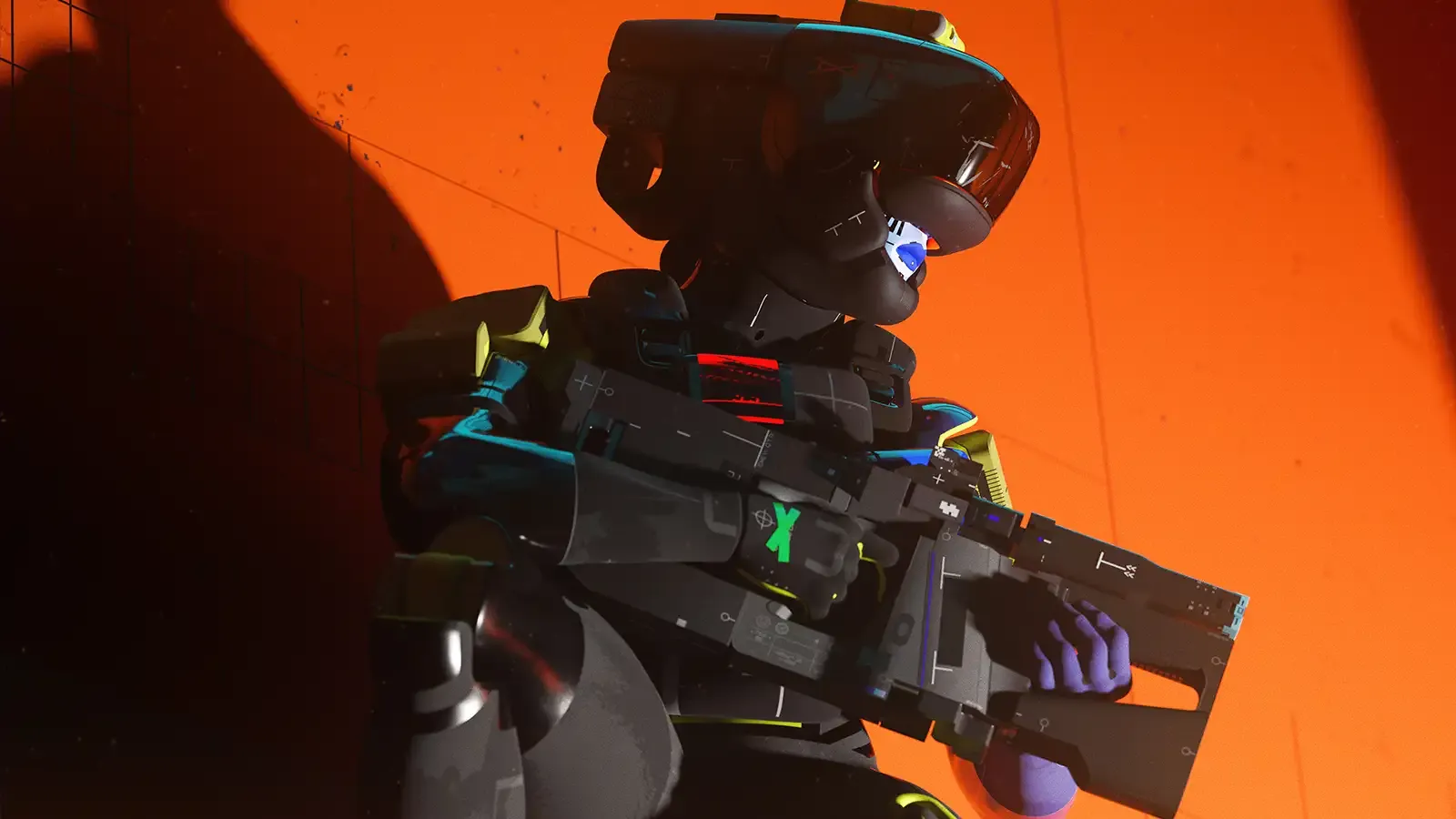
Most Runners look at the DestroyerCombat and see a tank. That reading is half-right and half-dangerous. The Destroyer is not a wall you hide behind — it is a forcing function. Every ability in this kit is designed to make the enemy react to you, not the other way around. If you are playing Destroyer passively, you are wasting the shell.
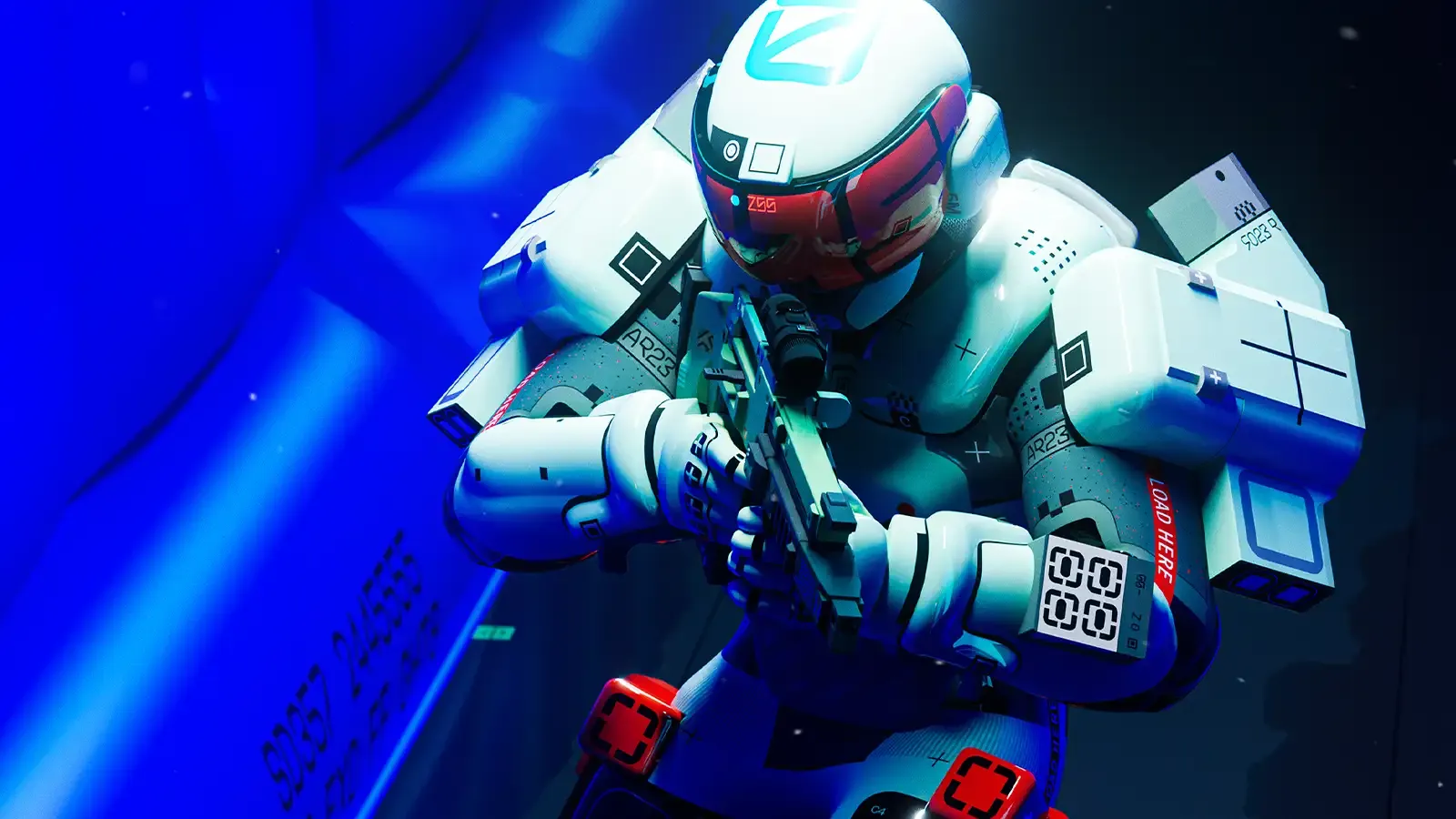
The core loop is simple to describe and hard to execute: Riot Barricade absorbs pressure and creates a window, Tactical Sprint closes distance, Search & Destroy punishes anything that doesn't break contact. You push, they either disengage or die. Gear denial is the byproduct. The fight is the product.
THE KIT: WHAT EACH ABILITY ACTUALLY DOES
Riot Barricade is your Tactical. You enter third-person, deploy a mobile frontal barricade, and hold it for up to 12 seconds — but damage drains it faster. The critical thing new Runners miss: you can end it early to save energy. Do not hold Barricade until it collapses. Read the fight, drop it the moment you've cleared your push angle, and bank the remaining duration.
Tactical Sprint is your double-tap sprint Trait. It generates extra heat while active and ends Riot Barricade if you fire it up — so you don't have both running simultaneously. That's the trade. Use Tactical Sprint for repositions and rotations; use Riot Barricade for the actual push. They are sequential tools, not simultaneous ones.
Thruster is your airborne Trait — a lateral dash off any jump, tied to the jump bind while airborne. It generates heat and kills an active Barricade, so treat it as an escape valve or a surprise angle, not a rotation tool. The Runners who die on Destroyer are usually the ones burning Thruster mid-push and arriving with a broken kit and a hot bar.
Search & Destroy is your Prime: shoulder missiles that activate for 30 seconds, periodically volleying homing explosives at targets you sustain damage on. Immobilizes what it hits. This is not a panic button — it is a siege tool. Pop it before you commit the push so the missiles are already cycling when contact happens.
WEAPONS THAT FIT THE PUSH STYLE
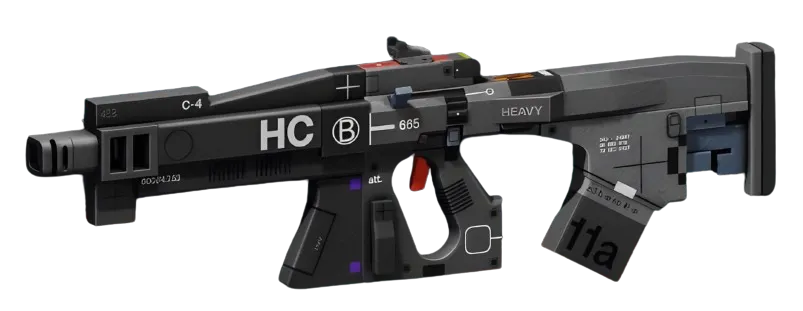
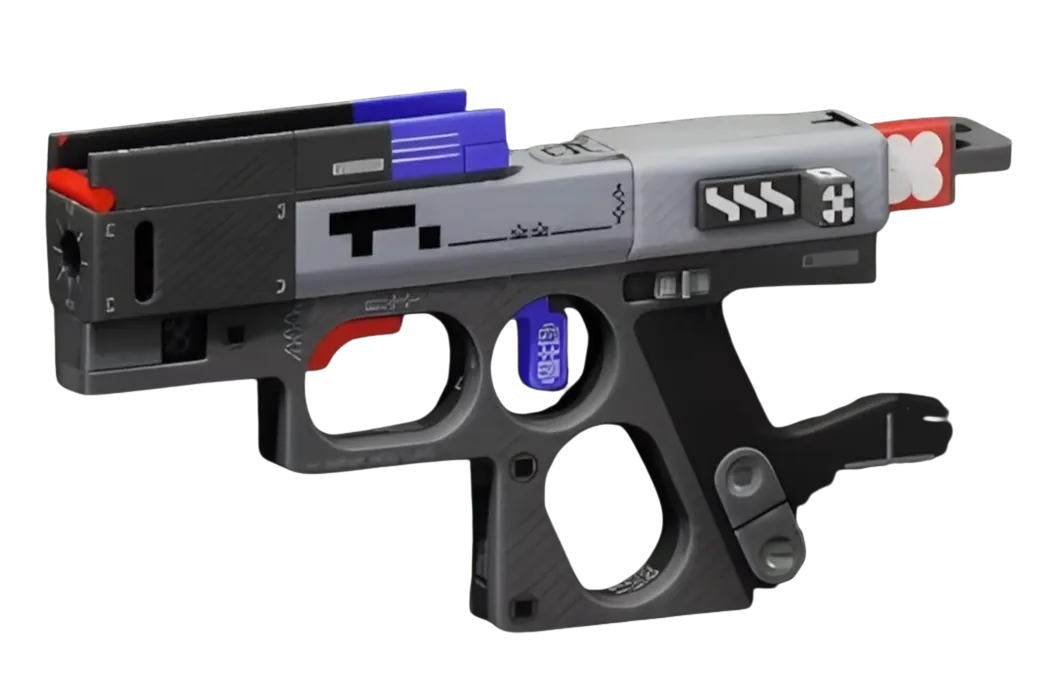
The Destroyer wants weapons that reward aggression at close-to-mid range. The Impact HARAR hits 24 damage at 400 RPM — confirmed numbers, reliable mid-range workhorse that doesn't ask much of you mechanically. Pair it with a sidearm for when Riot Barricade closes distance faster than expected. The Magnum MCPistol hits 41 damage at 138 RPM, a confirmed bruiser that rewards accurate hands inside the range your Barricade creates.
For mods, Slip ProtocolChip MODStandard on your primary is a strong choice — while moving, your stability and accuracy climb sharply, which directly rewards the push cadence this shell runs. Testament rewards the patient ADS windows Barricade creates: a short hold down sights increases range and aim assist. Blue Blood is your PvP chip insurance — down a Runner, recover health, keep the pressure on.
CRADLE PRIORITIES FOR THE DESTROYER
The Destroyer's heat economy is the real skill expression here. Tactical Sprint generates heat. Thruster generates heat. Every push costs you something on the heat bar, and a collapsed heat bar in the middle of a fight is a death sentence.
Start in the Endurance track. The Quick Vent perk — exact breakpoint is unconfirmed per current data, but sources place it early in the track — makes heat recovery start faster after actions. Heat Dissipation deepens that recovery rate. These two nodes together mean your Barricade pushes have a shorter recovery window between engagements.
Because respec is completely free in Season 2, do not be afraid to test Strength early on. Melee Damage improvements from that track compound well with the Destroyer's forced close-range positioning. If you find the heat management is comfortable, shift Energy into Strength and see how melee finishers feel in practice. There is no penalty for experimenting, only for not doing it.
The Recharge track's Head Start perk — starting runs with partial Tactical charge — is worth considering once your heat fundamentals are solid. Arriving at your first engagement with Riot Barricade partially loaded changes your early-run opening substantially. Map that path at /cradle before you commit.
SQUAD ROLE AND RANKED CONTEXT
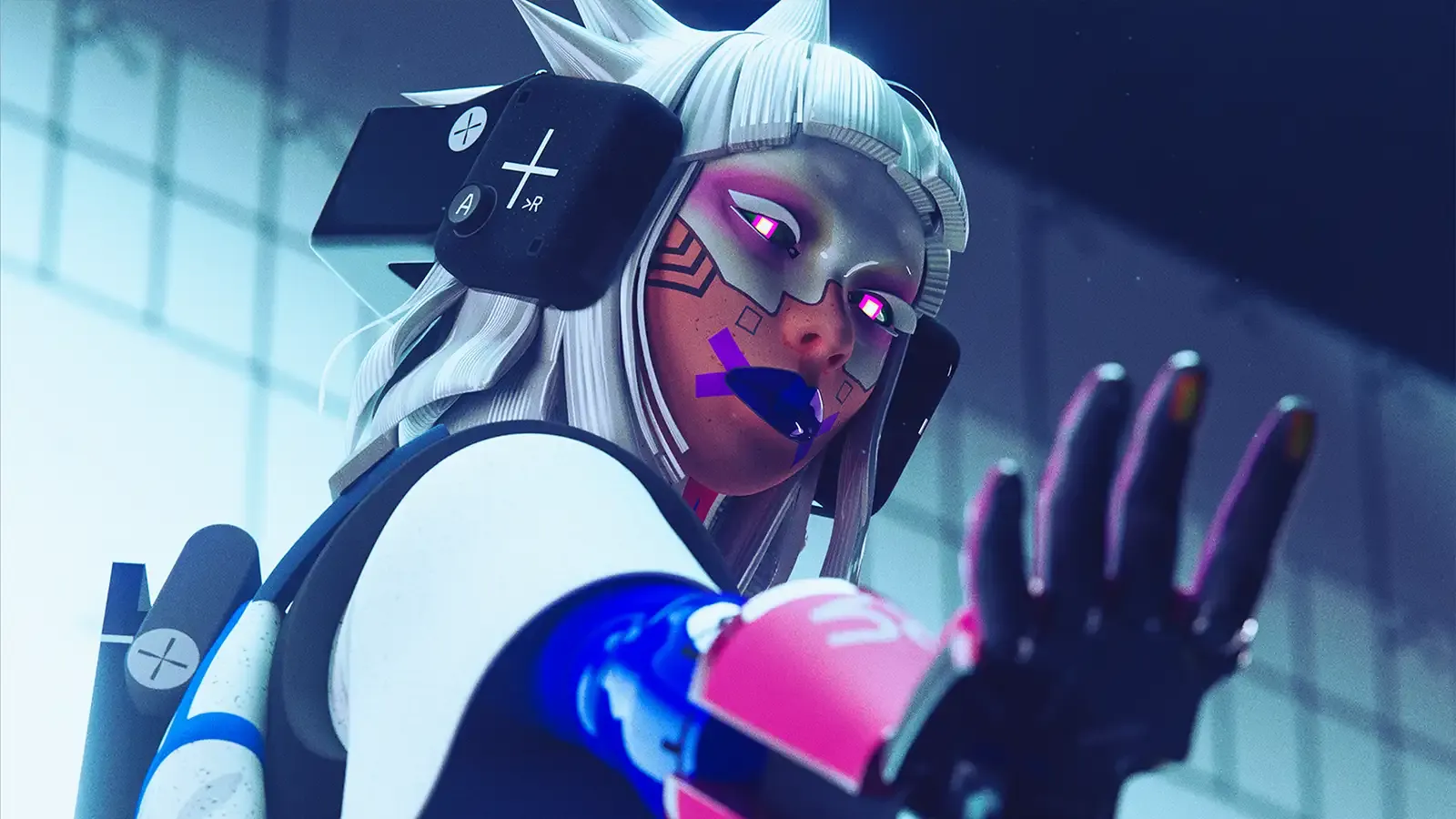
In squad ranked, the Destroyer earns its S-tier rating not from raw damage but from what it enables. A TriageSupport behind a Riot Barricade push is nearly uncontestable — one shell generates the pressure, the other sustains through it. Add a ReconIntel and you know exactly where the Holotag carrier is before the push begins. That trio is not a coincidence; it is the design intent made visible.
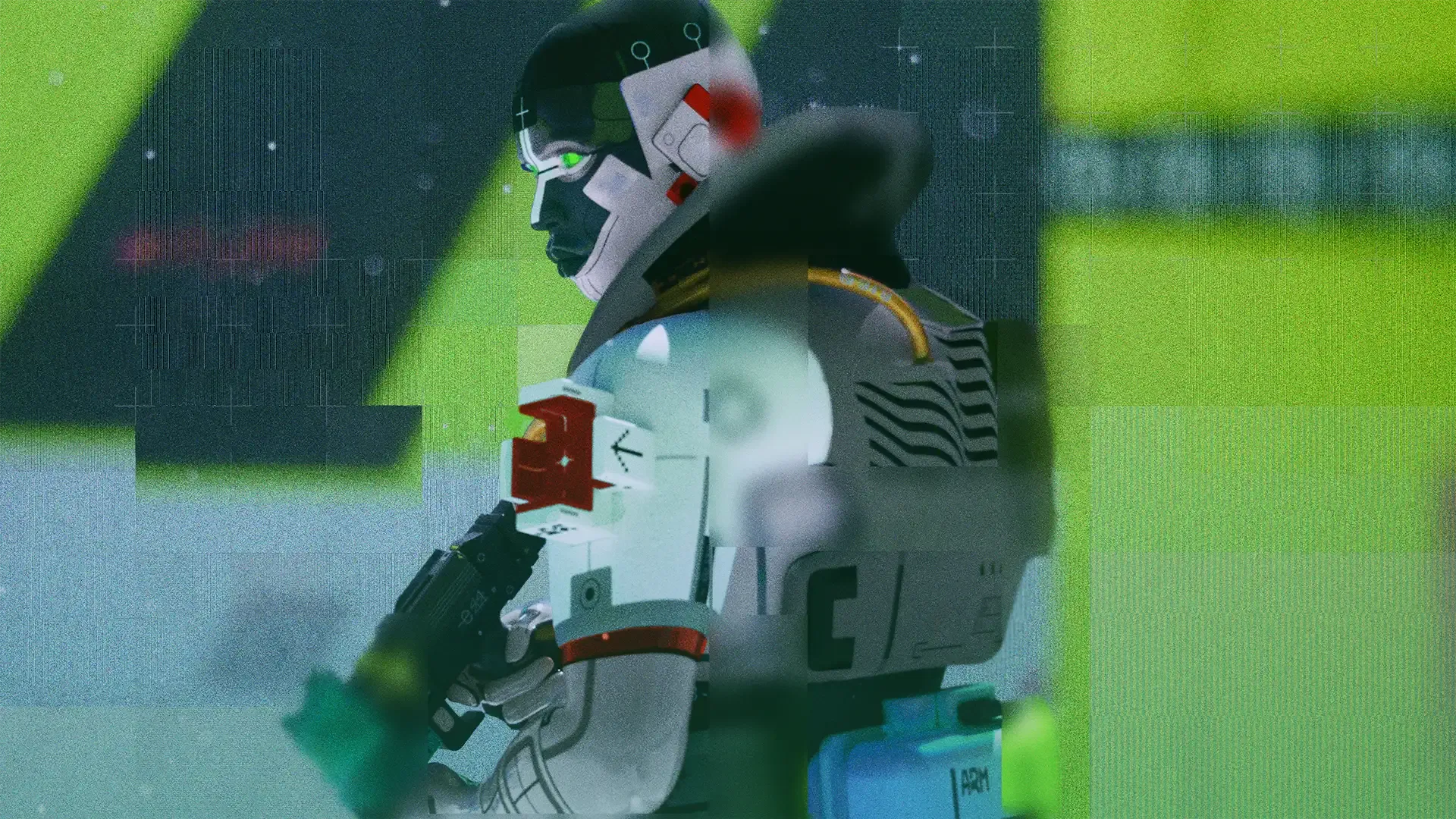
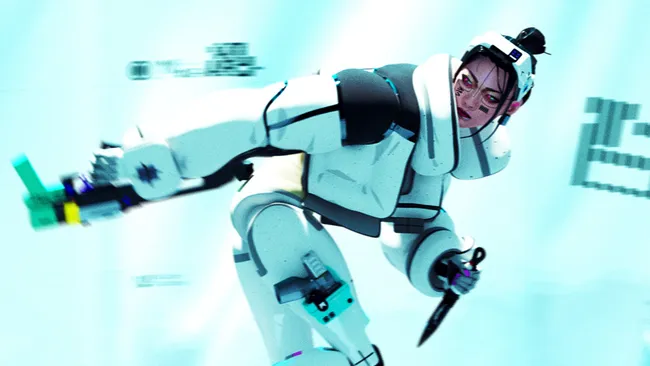
Solo ranked is a different conversation. The Destroyer sits at B-tier solo, which is accurate. Without a squad absorbing the aggression it generates, every push is a solo three-versus-one. Play solo Destroyer only if you are very comfortable reading third-party timing — and even then, consider VandalCombat or ThiefStealth until you have the map knowledge to back it up.
TAKEAWAYS
- Play Riot Barricade as a push tool, not a defensive one — end it early to bank duration, and sequence it with Tactical Sprint rather than running both simultaneously. - In squad ranked, pair with Triage and Recon. The Destroyer creates the window; those two shells make it survivable and informed. - Prioritize the Endurance track in the Cradle first. Heat management is the real skill ceiling on this shell — until your heat recovery is reliable, your push cadence will always break at the worst moment.