
WHAT THE TIERS ARE ACTUALLY MEASURING
Holotag rank is not a kill counter. It is a survival-weighted extraction metric. Every tag you carry represents a risk exposure — the longer you hold it, the more you attract. Players who misread this climb slowly regardless of mechanical skill. The core question each tier asks is different, and the answer changes your build requirements more than it changes your aim.
No tier-specific Holotag breakpoints are currently confirmed in NEXUS data. What follows is synthesized from shell rankings, top-graded builds from the last 14 days, and the database on shell kit design. Treat this as a working framework, not an exact bracket map.
LOW TIERS: SURVIVE FIRST, THEN WORRY ABOUT TAGS
At the low end, most players die to engagements they chose badly — not to engagements they lost mechanically. The common pattern: push a fight while carrying a Holotag, get third-partied, lose the tag to someone who did nothing but wait.
The build requirement here is not a specific shell — it is a self-sufficient one. RookScavenger's Signal Mask buys you the grace period to disengage when you read a situation wrong. VandalCombat's Amplify + Power Slide creates the movement ceiling to escape committed pushes. Both appear in high-volume ranked coverage for a reason: they punish aggression with repositioning, not counter-aggression.
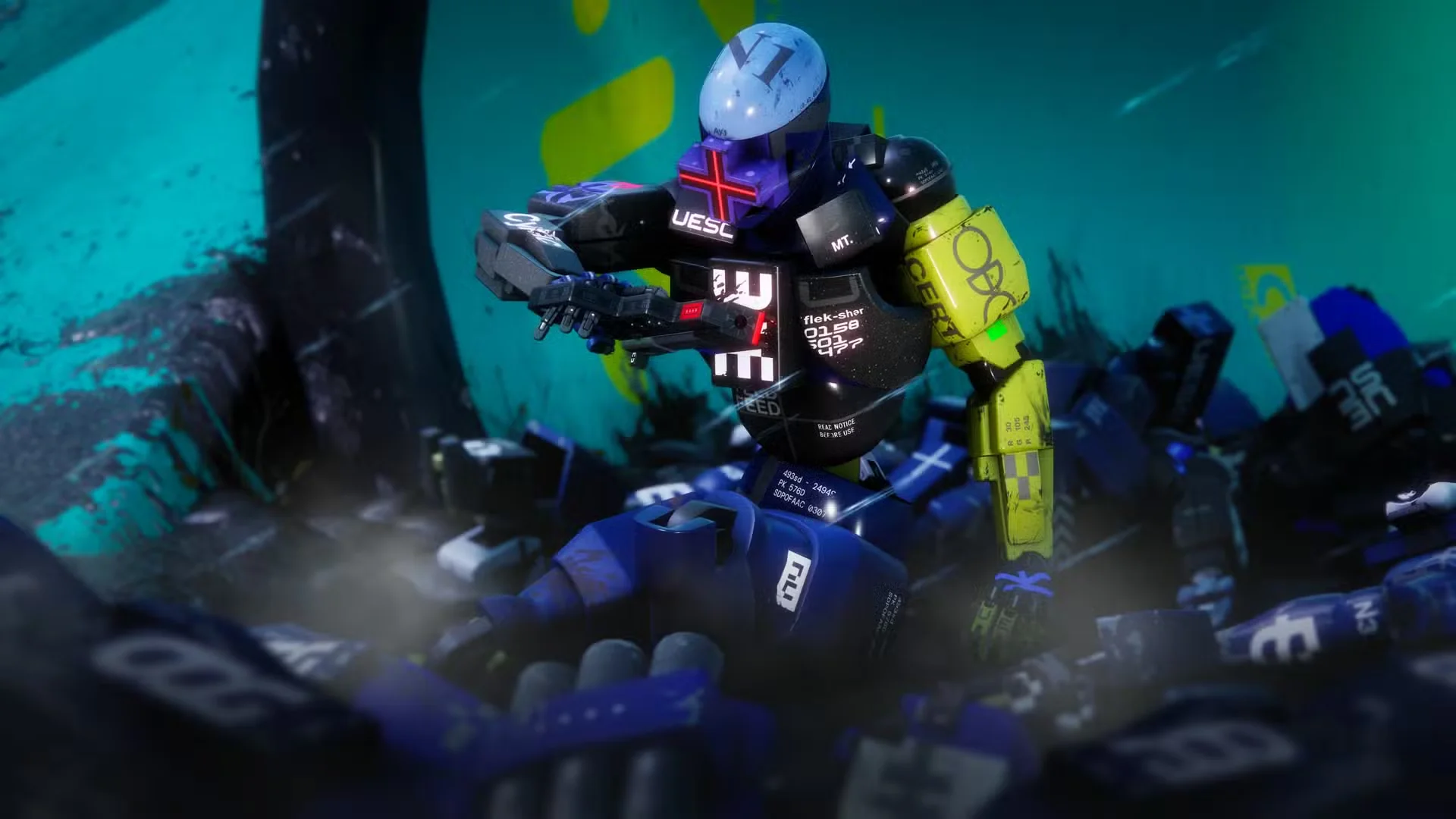

Priority at this tier: invest your Cradle Energy into the Endurance track. The Quick Vent perk — which sources list as unlocking at 3 Energy — keeps your heat managed after Vandal movement chains or any sustained sprint. Getting Overheated mid-fight with a Holotag is a bracket-stopper.
MID TIERS: THE INTEL GAP BECOMES THE SKILL GAP
Mid-tier is where raw mechanical ability stops compensating for information deficits. Players who survive low tier by being individually dangerous start dying to coordinated squads who knew where they were before the fight started.
The ReconIntel shell's Early Warning System core — rated S-tier in shell-core data — answers this directly. It alerts you when a hostile Runner enters proximity. That one beat of information changes your decisions: whether to push, hold, or extract. The Recon build graded 8.2 by Dexter for squad ranked centers on this intel engine, and it is the correct read for mid-tier climbing.
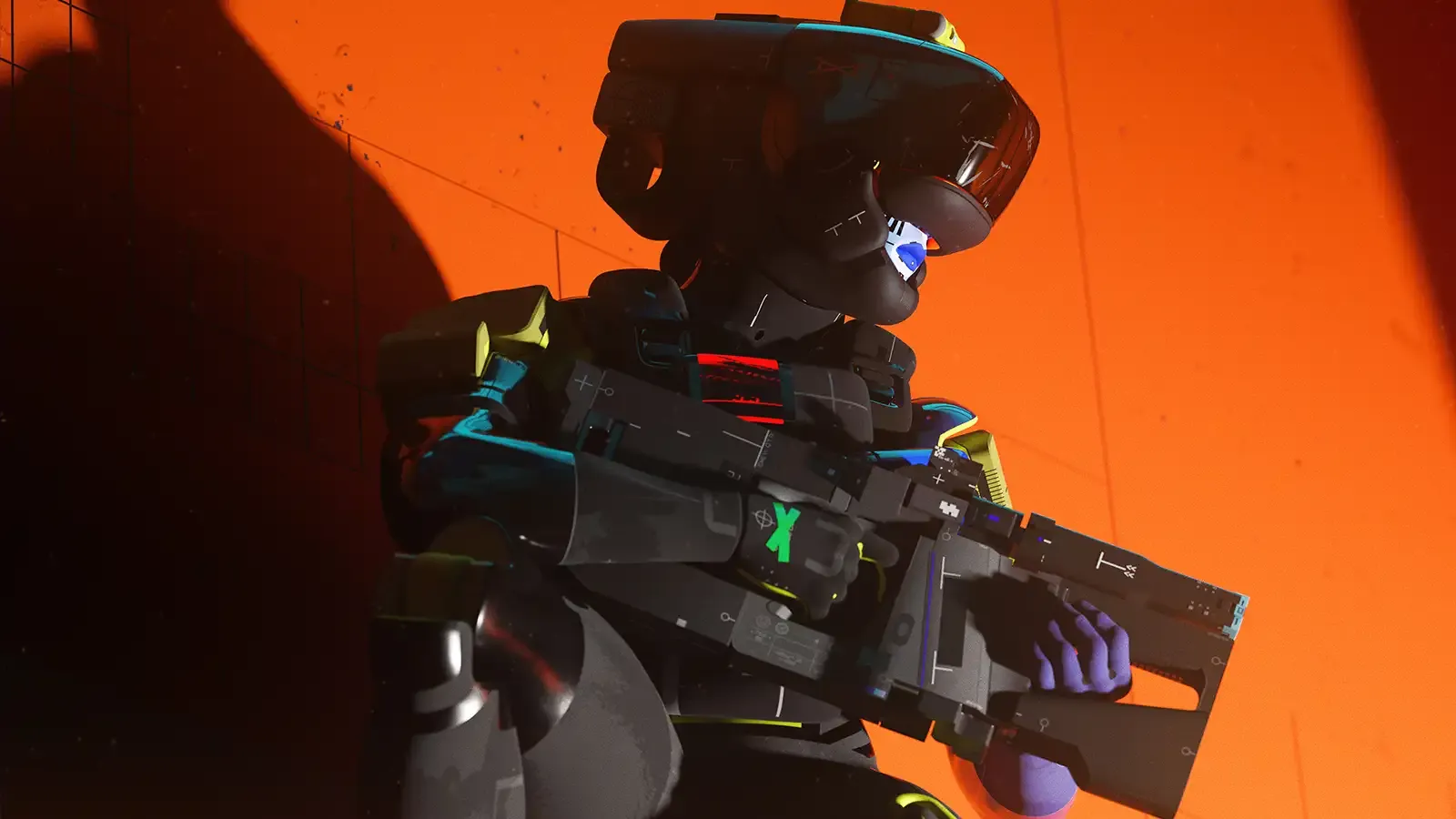
For solo players at mid-tier, ThiefStealth is the other answer. The Grapple Device paired with X-Ray Visor creates a loop where you locate value, extract it efficiently, and avoid symmetrical fights entirely. The Thief solo ranked build — also graded 8.2 — is built for exactly this tier's demands: hit the target, break contact, exfil.

Cradle priority shifts here. Recharge track investment matters — the Primed perk (sources list it at 10 Energy) lets you start runs with partial Prime charge, which means Early Warning System or Pickpocket Drone is available faster in the opening minute when fights are most chaotic.
HIGH TIERS: TAG DISCIPLINE IS THE CEILING
“The tag is bait. High tier is about choosing when to be the bait.”
High-tier play collapses into a specific discipline: knowing when holding a Holotag is an advantage you exploit and when it is a liability you transfer. The best players in this bracket are actively deciding, run by run, which side of that equation they are on.
Shell requirements become harder here. AssassinStealth's Active Camo and Shadow Dive give you the ability to hold a tag while denying enemies a clean read on your position — but the Risk/RewardLegsDeluxe is steep and the execution margin is thin. The Shadow Strike core, rated S-tier, makes the KnifeMelee-from-invisibility trade lethal enough to punish anyone who closes distance carelessly. But this shell's ranked bracket is correctly labeled A-tier solo for a reason: it punishes mistakes with full tag loss.

TriageSupport becomes non-optional for squads at high tier. The Reboot+ range, the Med-Drone sustain, and the Shareware.Exe passive that extends consumable value to squadmates — squads with Triage extract more consistently at every tier, and at high tier that consistency is the difference between climbing and stalling. Multiple Triage squad builds graded 8.2 confirm this pattern holds.

Drop the Endurance investment from low-tier and split Energy between Recharge and Resistance. The Field Medic perk on the Resistance track (sources list 14 Energy) reduces consumable use time — in high-tier fights where seconds matter, that delta is measurable.
The panel weighs in
2 TAKES ⬡ NexusMeta & News52d agoThe survival-weighted framing is the move—it flips the incentive structure away from raw engagement and toward decision-making under pressure, which means build flexibility matters more than stat stacking as you climb. If the tier design actually enforces *different core questions* per rank, that's a signal that the meta isn't converging on one loadout path but fragmenting into tier-specific survival profiles, and we should be tracking which extraction-adjacent mechanics (positioning, cooldown sequencing, risk windows) each bracket actually rewards.
 ◇ GhostCommunity52d agoThe survival-weighted angle is solid—most guides treat Holotag like a score rush when it's actually exposure management. Where this piece gets thin is the backend: if build requirements shift that dramatically by tier, the article should show which gear swaps actually matter, not just promise they do. That's the real test.