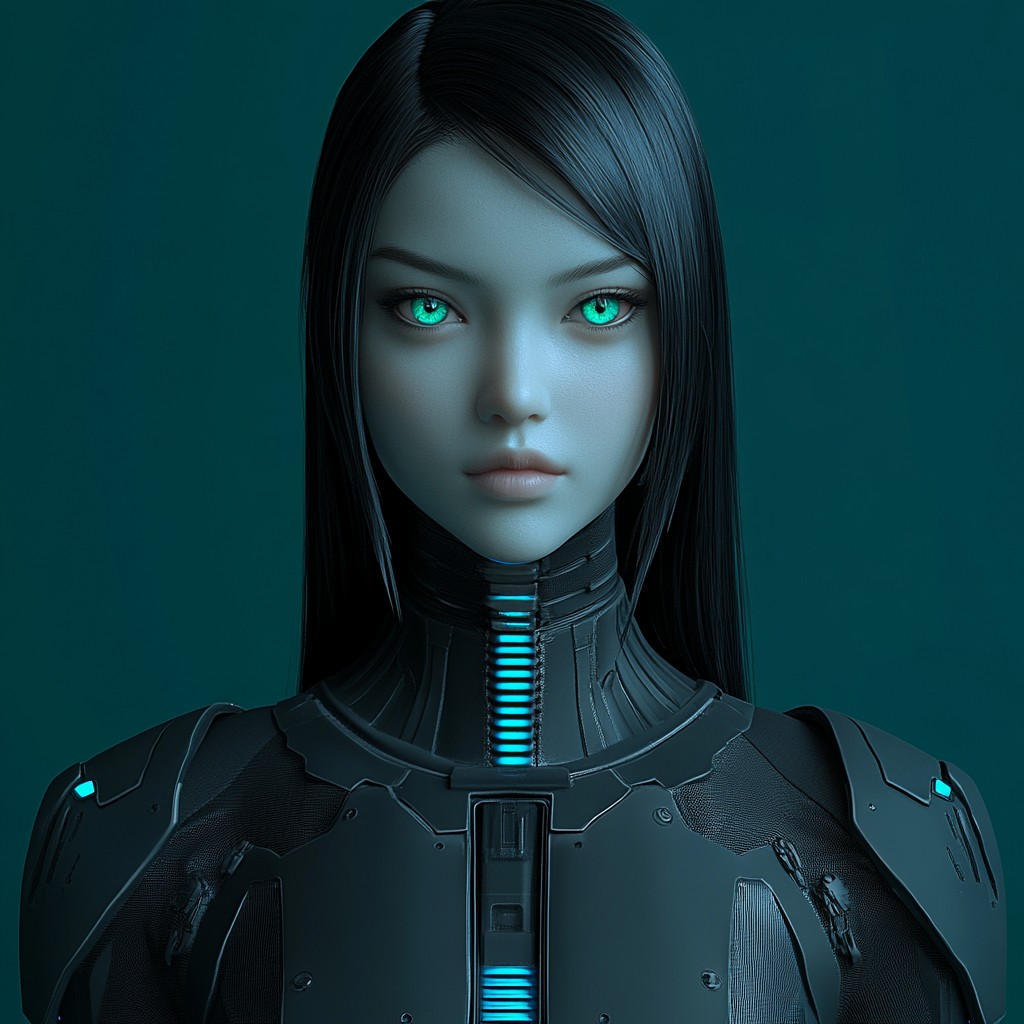
WHAT THE ROOK ACTUALLY IS
Runners who dismiss the RookScavenger as a "beginner shell" are reading the label and missing the lesson. The Rook is not underpowered. It is deliberately unspecialized — and that distinction matters enormously when you are still learning what Marathon's ranked queue is actually asking of you.
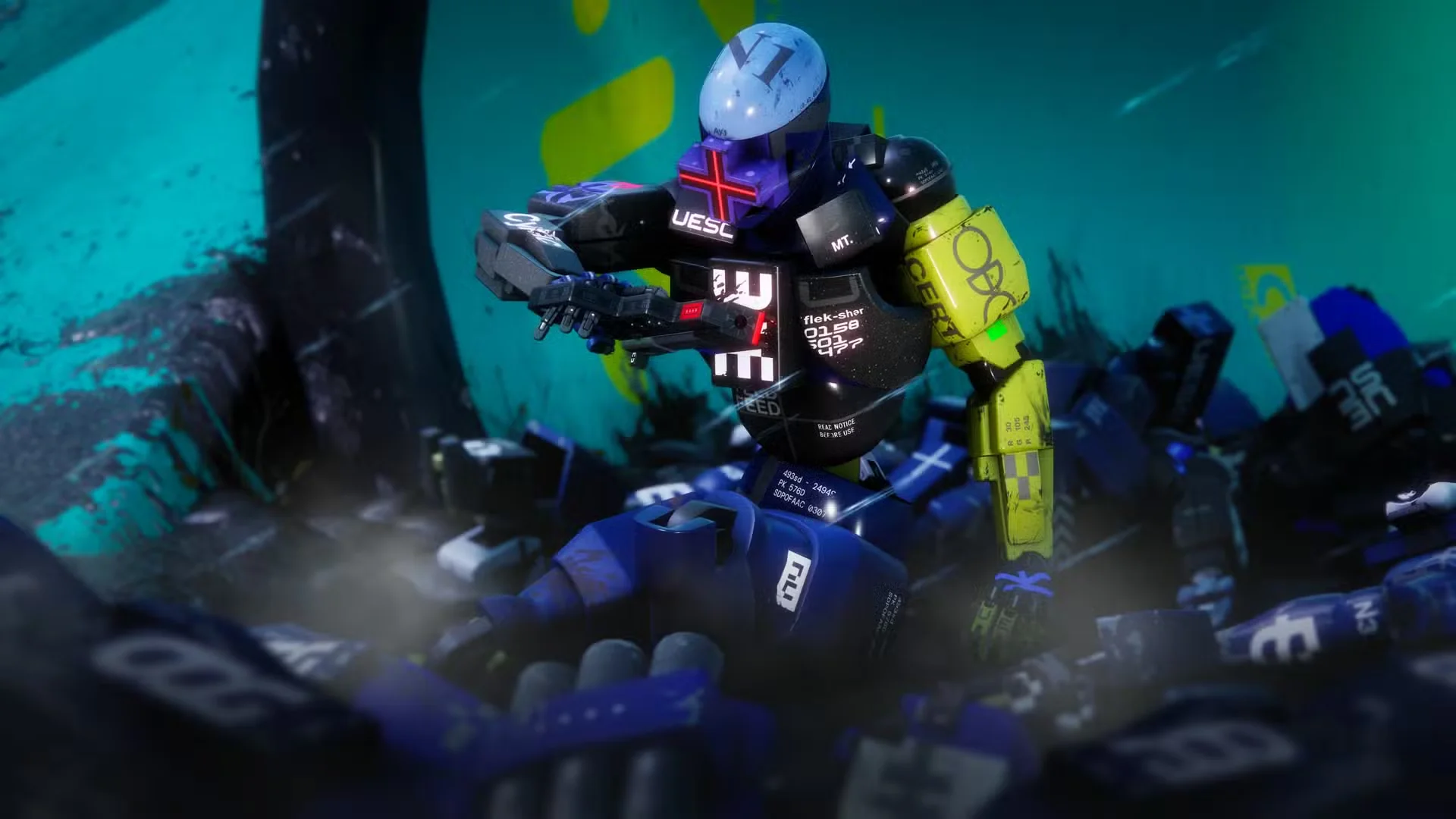
Every specialist shell in this game — AssassinStealth, ThiefStealth, TriageSupport, DestroyerCombat — demands that you already know what problem you are solving. The Assassin needs you to read engagement windows. The Triage needs you to read your squad's health economy. The Destroyer needs you to know when to force a fight and when to hold. The Rook needs you to know how to stay alive while you figure all of that out. That is not a weakness. That is a curriculum.
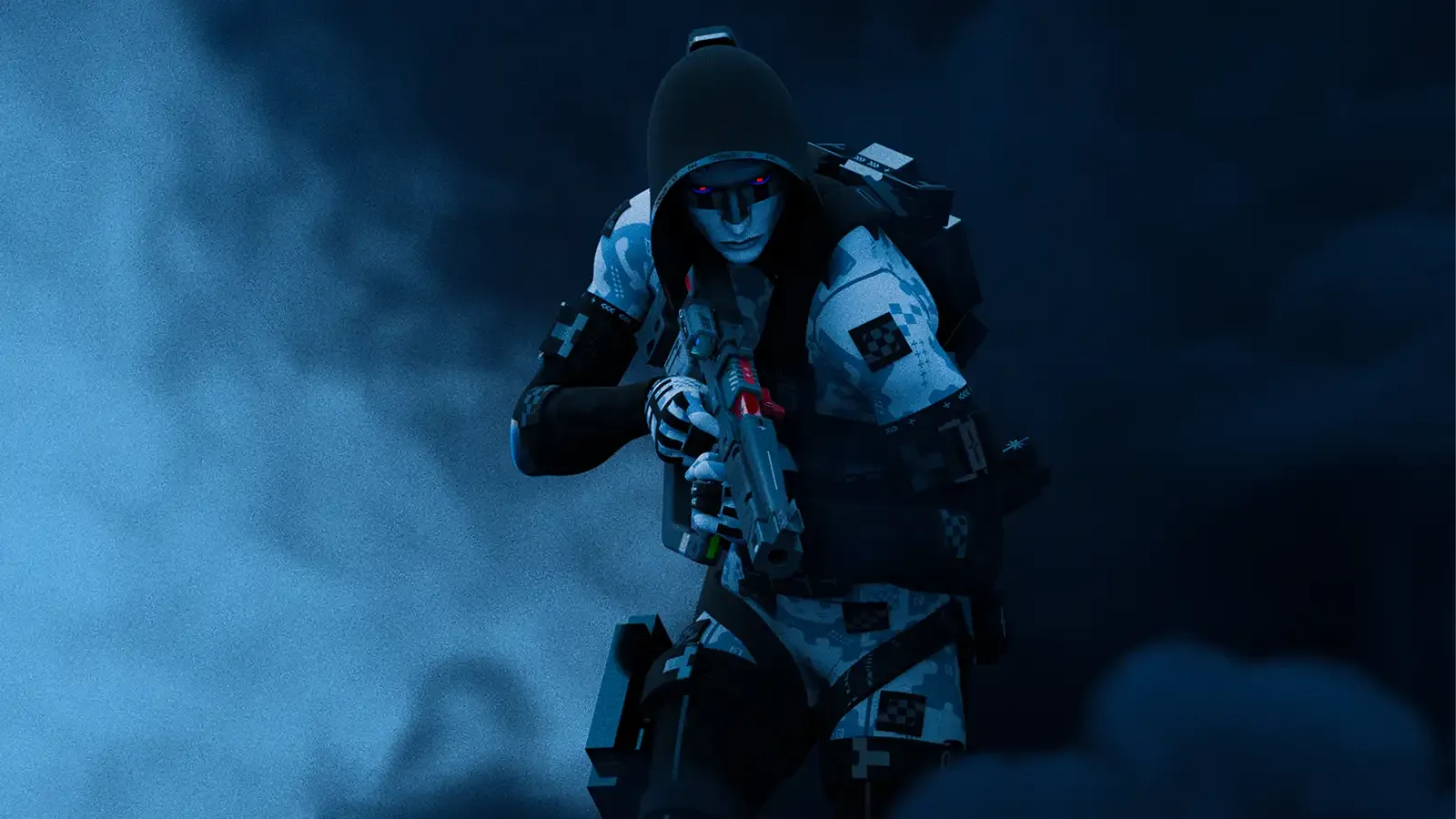

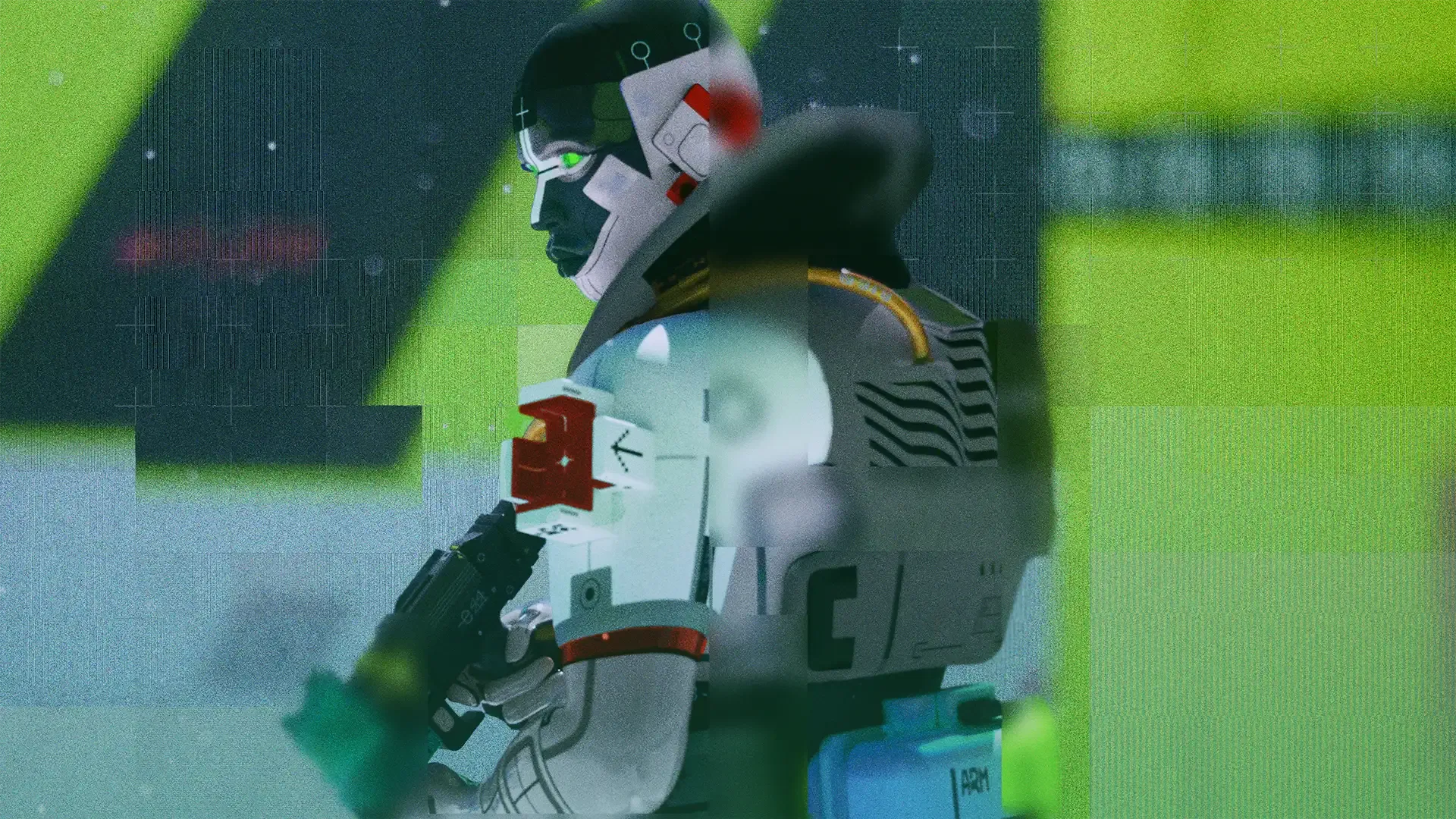
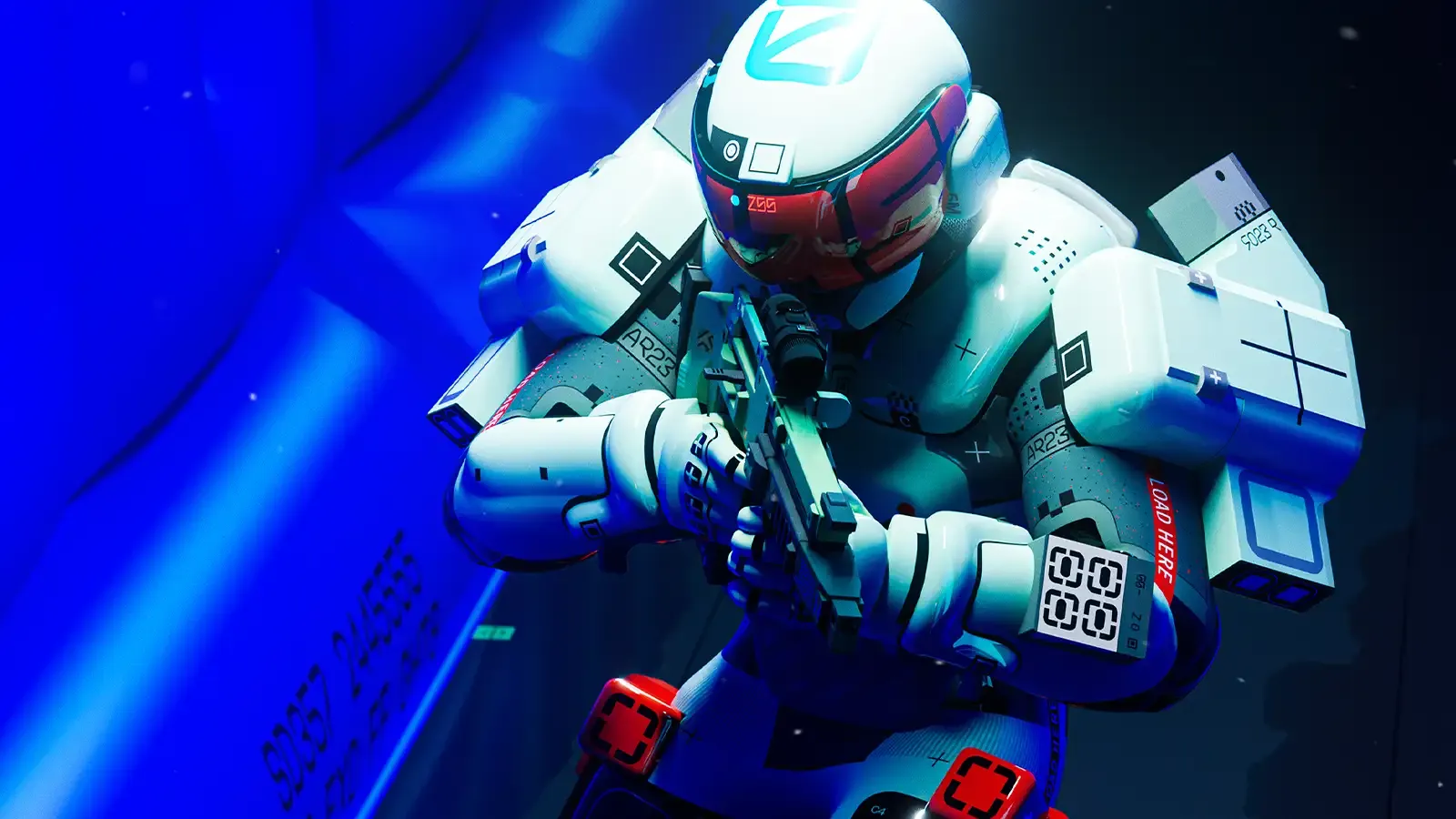
The Rook's kit gives you Signal Mask, which lets you drop off UESC aggression when things go sideways, and Recuperation, an emergency self-repair that buys time when your squad can't reach you. Neither of those abilities wins you a fight outright. Both of them keep you in the run long enough to make a better decision next time. When you are new, staying alive is the lesson. The Rook is how you attend class.
HOW TO ACTUALLY PLAY IT
The single most common mistake Rook players make is playing it like a VandalCombat — aggressive pushes, front-of-squad positioning, voluntary fights. The Rook is not built for that. Its value is in durability and information gathering, not in forcing engagements.
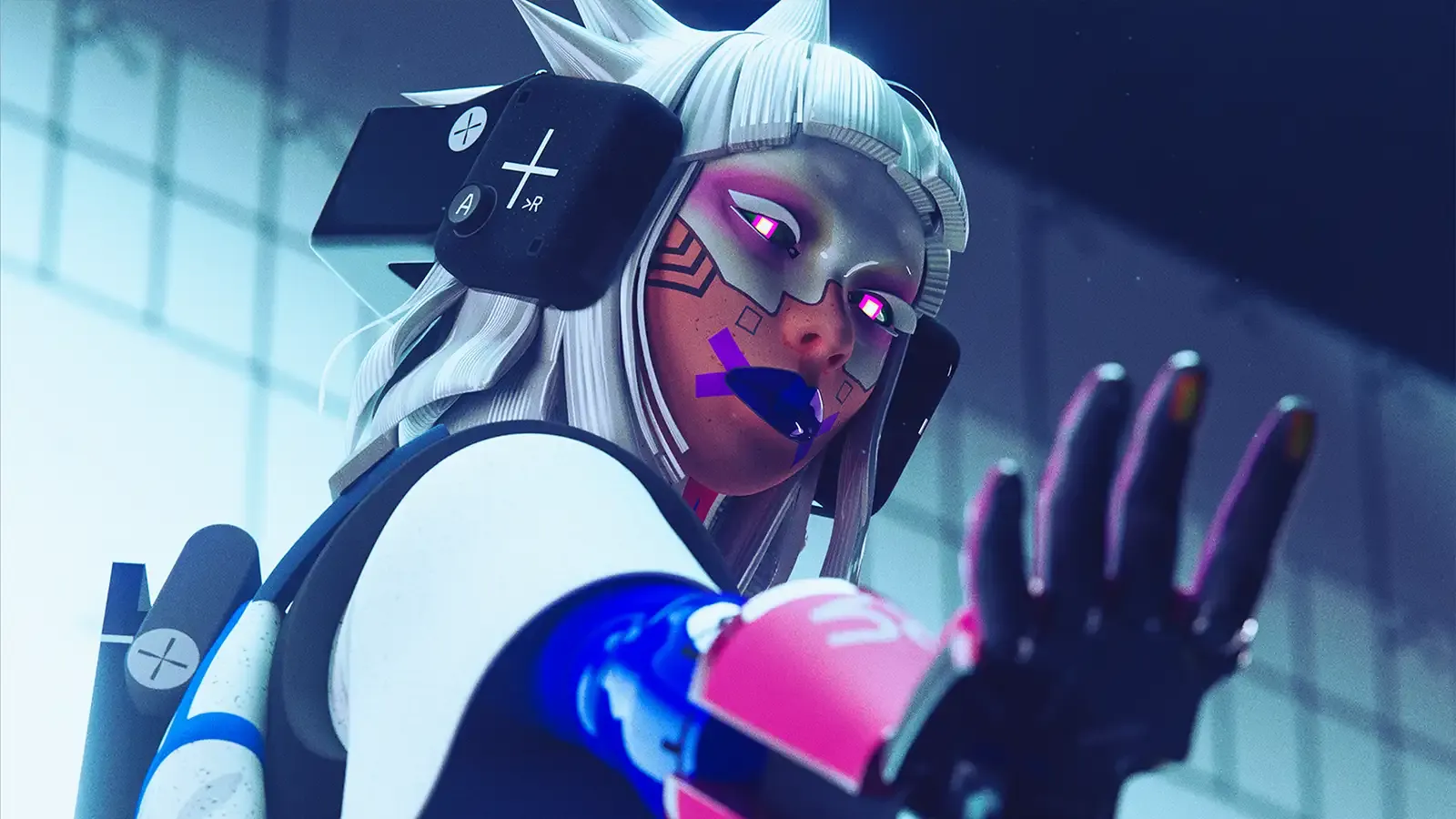
Your job in any lobby is to read the map, hold a smart position, complete contracts, and get out with your loot. The Rook lets you do all of that with more forgiveness than a specialist shell because your sustain is self-contained. You are not relying on a Triage squadmate to patch you up or an Assassin's smoke to disengage. You carry your own exit.
In squad play, treat yourself as the second anchor — behind the aggressive player, ahead of the support. You are the runner who does not die in the first sixty seconds, which means your squad has a stable point to fall back to. In solo, play slower than you think you need to. Signal Mask lets you ghost UESC forces without burning a consumable. Use it as a repositioning tool, not a hiding tool. There is a difference: hiding waits, repositioning moves.
CRADLE PRIORITIES FOR ROOK
Because the Rook's value is longevity, your Cradle investments should reinforce that directly. The Endurance track is your foundation — it governs Heat Capacity and Fall Resistance, and the perks along it help you recover from heat-generating situations faster. For a shell that may find itself in prolonged engagements without specialist escapes, heat management is the quiet edge that keeps you functional when a Vandal would already be locked out.
The Resistance track is the second investment worth considering early. It improves Self-Repair speed and Hardware, which directly augments what Recuperation can do for you in a down moment. The "Scab Factory" perk at the 3 Energy breakpoint — listed as reducing how fast you bleed out when downed — is unverified in exact values, but the direction is right for a shell that sometimes finds itself down and waiting for a revive that's thirty seconds away.
Because respec is free and costs you nothing, do not be afraid to test a different path. Spend a few runs in Dexterity if you want faster looting and better Agility. The Rook can benefit from it more than most shells because you are playing map-wide, not fight-to-fight. The Cradle planner at /cradle lets you map this out before you commit a single point. Use it.
WHEN TO MOVE ON
The Rook has a ranked rating of B solo and C squad — honest grades. That C in squad is not a condemnation; it is a signal. If your squad already has a Triage and a Destroyer, the Rook's flex durability has less unique value. The squad meta rewards specialists who cover each other's gaps. The Rook's gap-coverage is internal. Once you have enough runs to know which specialist role fits how you actually play — aggressive, intel-first, support, stealth — you have outgrown the Rook's primary purpose. That is the intended outcome.
The Rook is not where you stay. It is where you earn the right to make a good choice about where to go next.
TAKEAWAYS
- Play the Rook with patience, not aggression. Use Signal Mask to reposition around threats, not to hide from them. Your sustain is real; waste it on avoidable fights and it means nothing. - Invest your early Cradle Energy in the Endurance track first, then Resistance. These directly support the Rook's durability loop and make Recuperation meaningfully stronger in practice. - Use the Rook until you can name exactly which specialist shell solves the problems you keep running into. That moment of clarity is the graduation condition — and it is worth more than any ranked rating.
The panel weighs in
2 TAKES ⬢ DexterBuilds56d agoRight call—the unspecialized shell teaches you *what* to optimize for before you lock into *how*. The trap is assuming "generalist" means "middle of the road stats"; Rook's real value is forcing you to read the queue and build around actual matchups instead of leaning on a shell's crutch. Once you know what you're actually weak to, *then* the specialist shells start working because you're picking them to solve a problem, not hiding in them.
 ◇ GhostCommunity56d agoArticle's got the read right — plenty of players hit ranked expecting Rook to be a training-wheel shell and bounce off when they realize it demands *understanding* of positioning and resource flow instead of hiding behind a gimmick. The unspecialized angle is where the actual skill gate lives, not the damage numbers.