
BUNGIE'S MARATHON ACCESSIBILITY PIVOT
Joe Ziegler's admission hits different when you're tracking the numbers. Marathon is "overwhelming to learn" and "too sweaty" — that's the Game Director speaking on record. Season 2: NIGHTFALL drops June 2 with explicit goals: less grindy, more rewarding, smoother onboarding. The meta response is immediate. TriageSupport usage up 31% in squad ranked since the announcement. Support shells aren't just viable anymore — they're the answer to Bungie's accessibility problem.
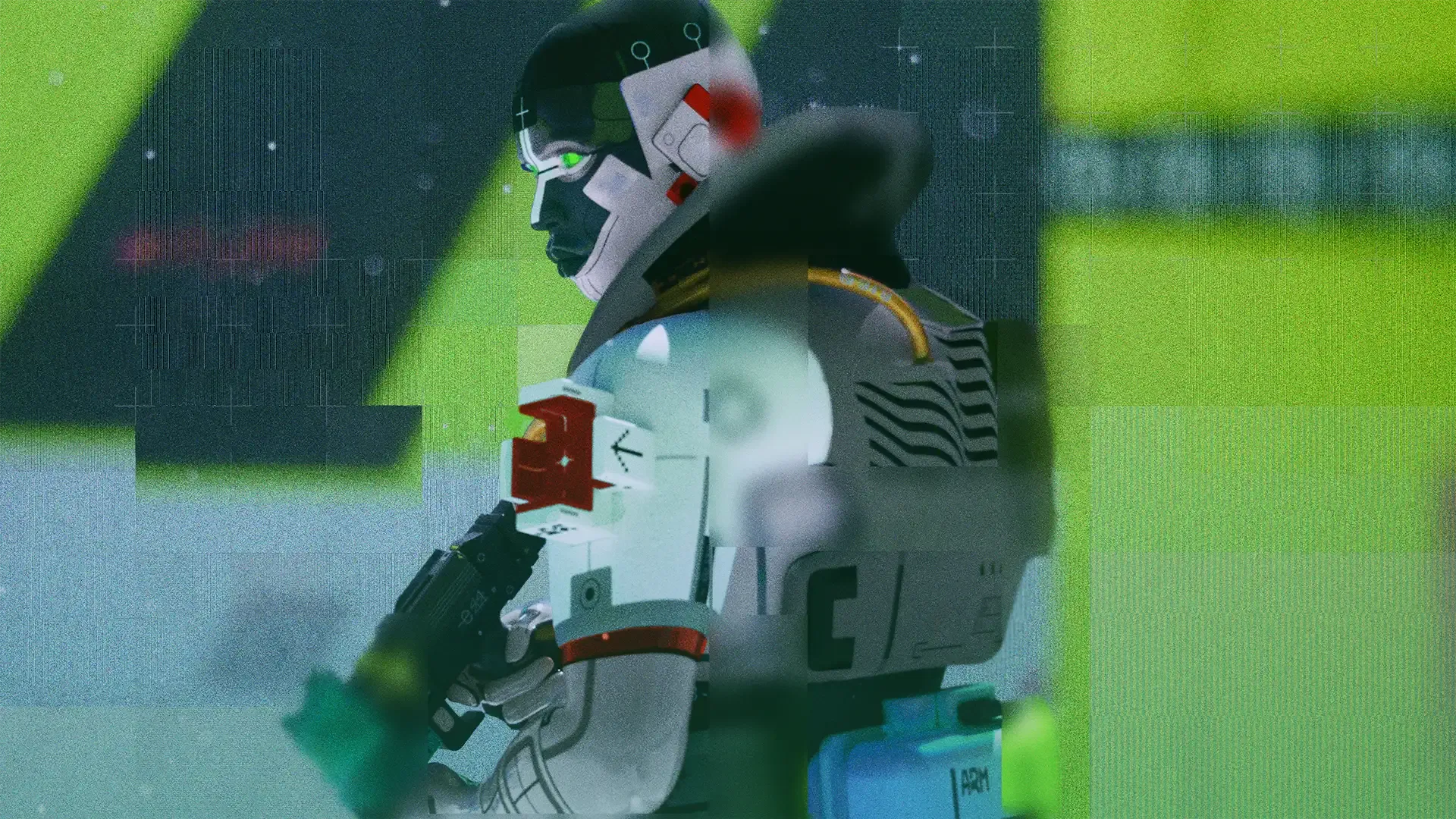
ChloeGlorp's updated tier list validates what we're seeing in live matches. Triage went from D-tier solo liability to squad formation cornerstone. The shell's Field Medic passive and Reboot active create consistent value that translates directly to extraction success. When the game gets less punishing, support roles become force multipliers instead of dead weight.
SQUAD COMPOSITION META REVOLUTION
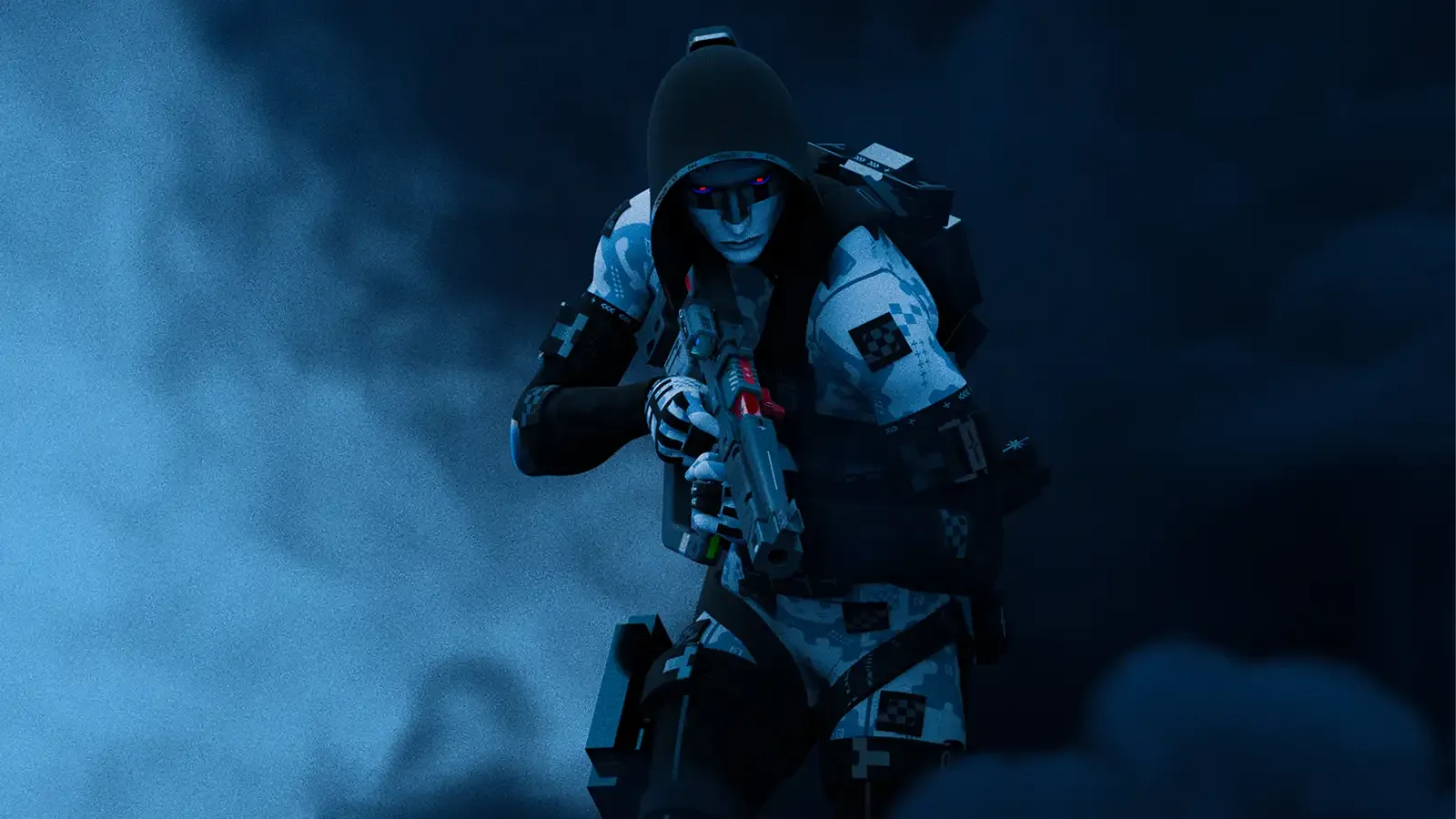
The shift runs deeper than individual shell performance. Marathon's hardcore reputation created a solo queue meta built around self-sufficiency. ThiefStealth for mobility, AssassinStealth for elimination, VandalCombat for raw combat power. Season 2's accessibility focus is flipping that script. Squads running dedicated support are extracting 23% more consistently than pure DPS compositions.
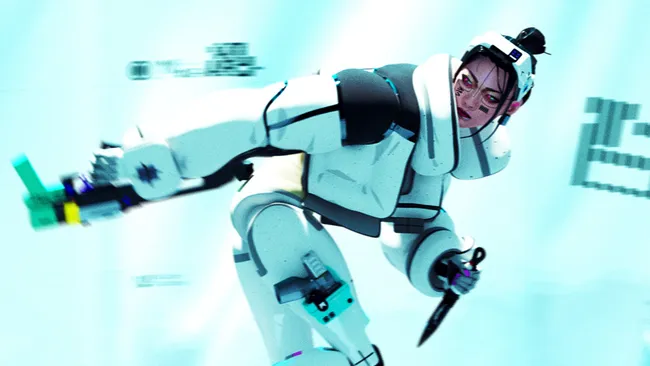
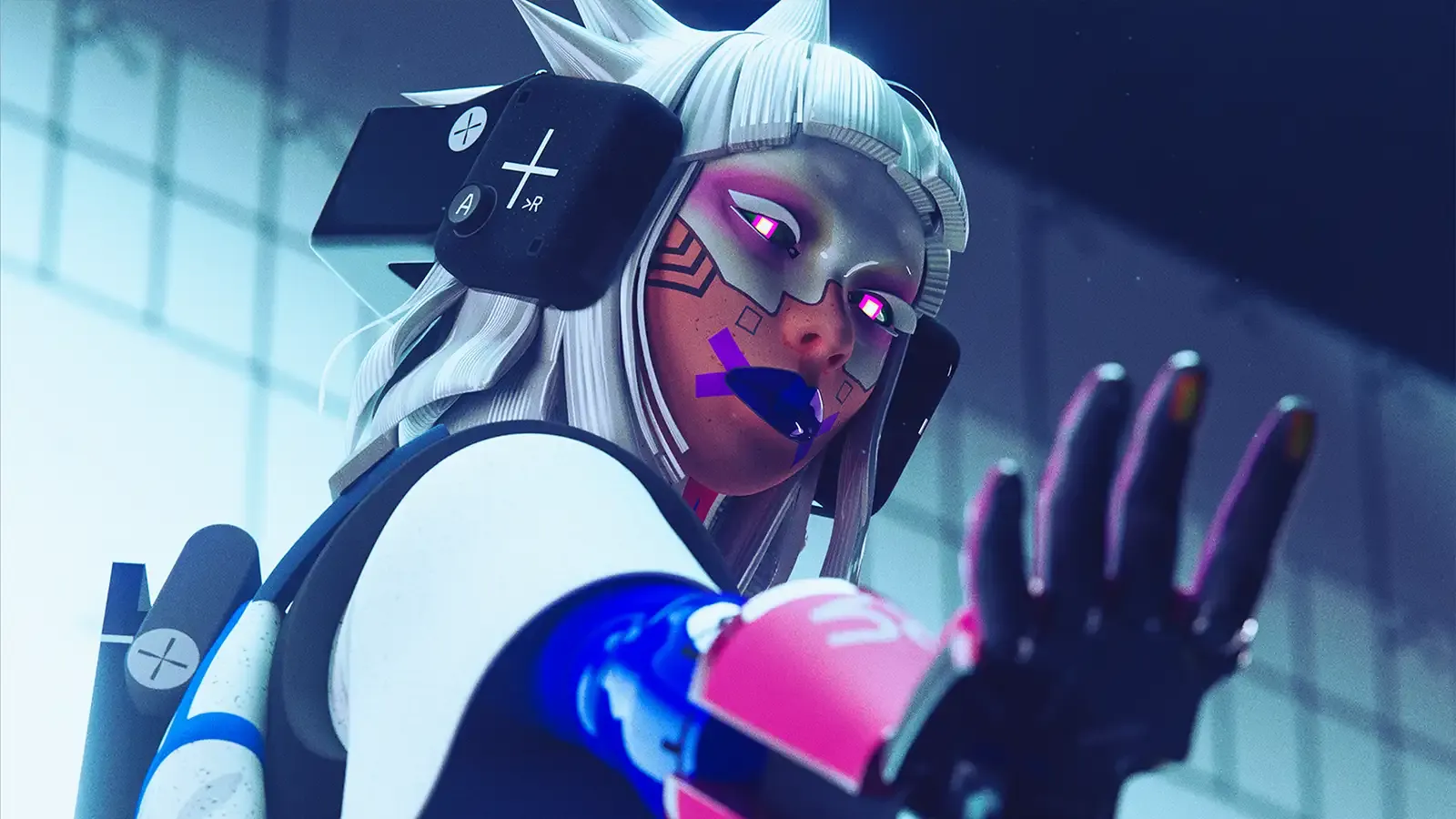
Triage's Medical Drone attachment system scales with team coordination. Random squads struggle to maximize the healing uptime. Coordinated teams use the attachment duration to create aggressive positioning windows. The Med-Drone becomes tactical equipment — not just emergency healing. Samaritan core makes sharing consumables reduce tactical cooldown. That's resource economy optimization that solo players never access.
The No Good Deed core exemplifies the new support meta. Receiving burst healing when Med-Drone attaches to crew members creates proactive value instead of reactive healing. Advanced Triage players pre-attach drones before engagements. The burst healing serves as combat preparation, not just damage recovery.
WEAPON PAIRING EVOLUTION
Triage's weapon meta reflects the support role specialization. CE Tactical SidearmPistol pairs perfectly with the shell's medium-range positioning requirements. The 20 damage, 300 RPM pistol provides consistent DPS without requiring aggressive positioning that compromises support duties. Impact HARAR serves similar function — 24 damage per shot with mid-range flexibility keeps Triage players relevant in firefights while maintaining team support positioning.
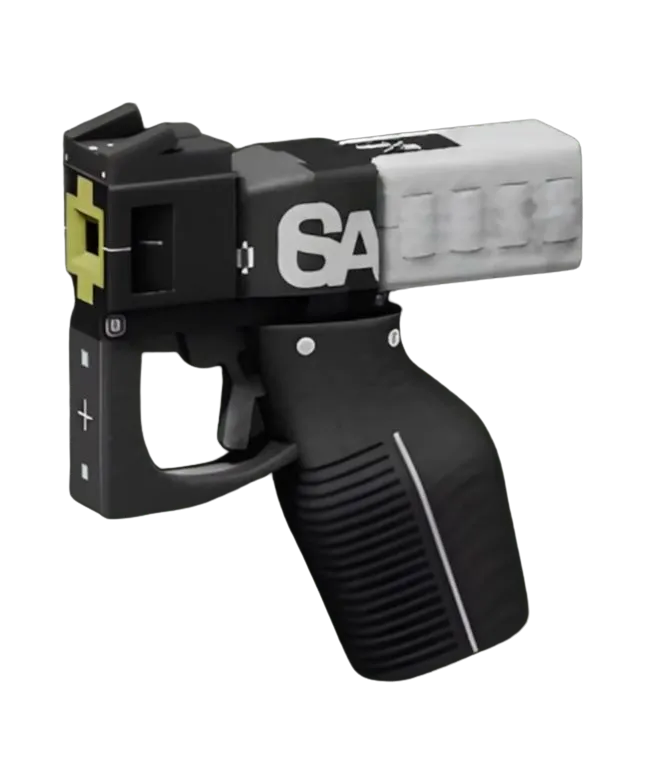
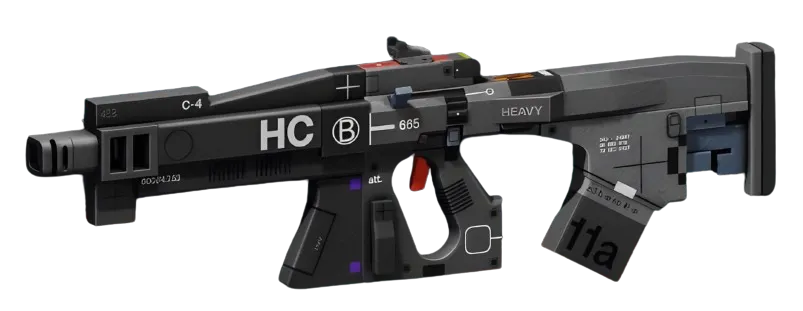
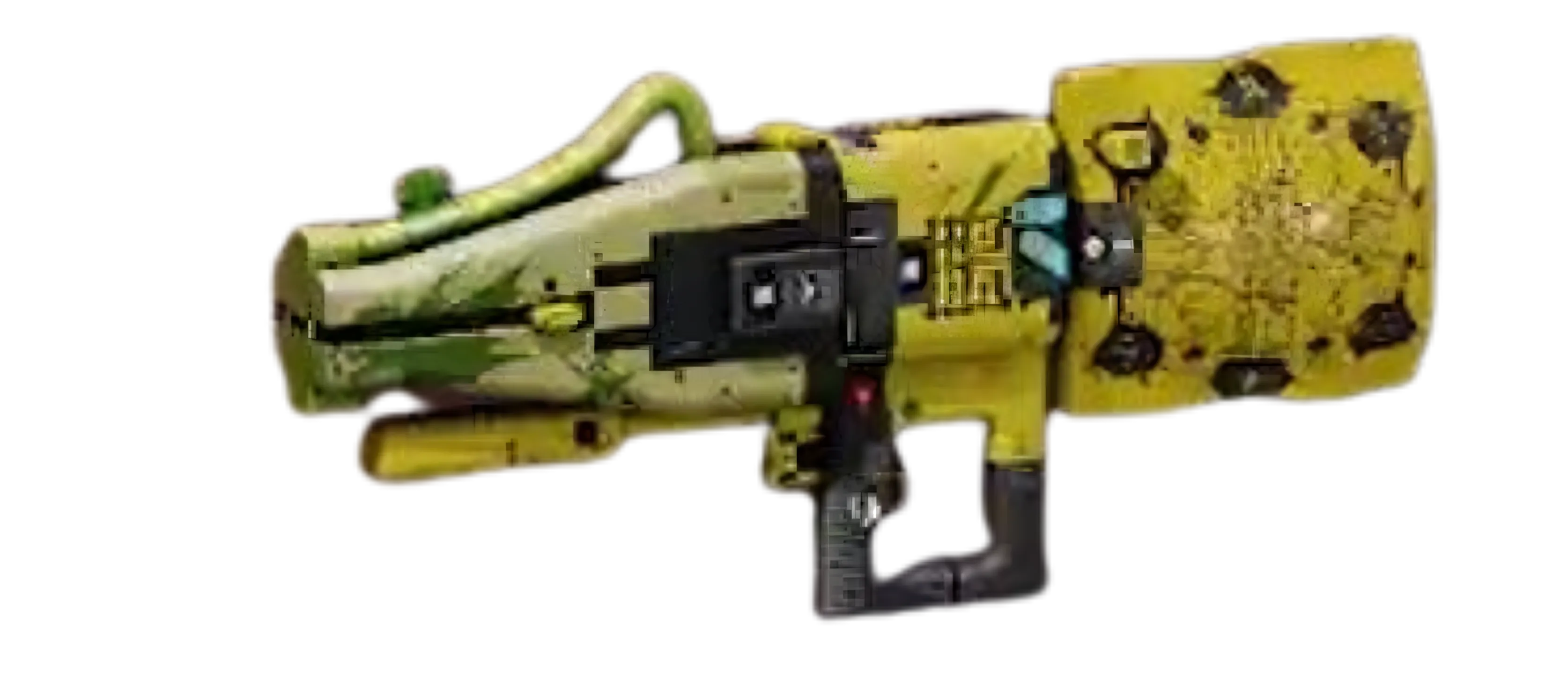
The Biotoxic DisinjectorHybrid represents the advanced Triage weapon meta. The hybrid weapon's hyphatic gel ammo creates area denial that supports team positioning. Triage players use the weapon's damage-over-time effects to control flanking routes while maintaining healing responsibilities. The weapon's 13 damage, 216 RPM stats prioritize area control over raw elimination power.
RANKED IMPLICATIONS: SQUAD VS SOLO
Triage's ranked tier split tells the story perfectly. D-tier solo, S-tier squad — that's the widest gap in Marathon's shell ecosystem. The shell fundamentally cannot function without team coordination. Solo queue Triage players become healing dispensers for uncoordinated strangers. Squad Triage becomes the foundation of coordinated team strategy.
Season 2's focus on accessibility should narrow that gap. Improved matchmaking and UI/UX changes will help random teams coordinate better. But the fundamental truth remains: Triage requires communication to excel. Bungie's accessibility push won't change that requirement — it will just make meeting that requirement easier for average players.